



Table of Contents
- Understanding the Allure of Screens
- Why a Digital Detox Matters
- Practical Steps for a Digital Detox
- The Science Behind Unplugging
- Strategies for Sustainable Change
- Real-Life Applications of Digital Detox
- Overcoming Challenges
- Embrace the Journey to a Balanced Life
- The Bottom Line
- References
Understanding the Allure of Screens
Why are screens so alluring? Delving into this may unlock paths to breaking the hold they have over us all.
“Screens deliver instant gratification—likes, comments, and shares unleash dopamine, the ‘feel-good’ hormone, creating a habit loop.”
— Dr. Sarah Chen, Clinical Psychologist
Consider Maya’s story. In the aftermath of a wrenching divorce at 28, she found online sanctuaries where her troubles temporarily melted away. But what began as refuge spiraled into dependence, weaving more chaos into her life. Her journey back was aided by digital detoxing—a reset button that reclaims a mind from constant overstimulation.
Why a Digital Detox Matters
Digital detoxing moves beyond mere screen time reduction; it’s about reclaiming life from tech’s suffocating grip. Screen addiction lands you with anxiety, disrupts sleep, and hampers productivity—Google the American Psychological Association and they’ll reveal that regular tech users confess to higher stress levels.
Slashing screen time shifts the spotlight back onto tangible human connections and offline pursuits, boosting not just mental health, but also fostering emotional resilience and creativity levels. Even Harvard Medical School points to digital-free windows showing enhanced sleep, memory boosts, and task accuracy boosts. Skepticism? Dive into their resources for details.
Practical Steps for a Digital Detox
Let’s talk about doable steps. Science offers some practical advice for those starting down the path to a digital detox:
- Start with Awareness: Begin by examining your screen habits. Tools like Screen Time (iOS) or Digital Wellbeing (Android) can shed light on device usage—identifying which apps command most of your hours. This awareness sets the stage for mindful change.
- Create Tech-Free Zones: Establish spaces in your home, say the dining room or bedroom, as tech-free sanctuaries. This steers you towards screenless activities like reading or cooking, nurturing connections with both people and your environment.
- Embrace the Outdoors: Nature holds transformative power. A Stanford University study revealed that time outdoors slashes negative thoughts, stirring brain areas tied to mood regulation. Carve time each day to unplug, step outside, and rejuvenate.
- Set Boundaries and Specific Goals: Intentional screen time capping is crucial. Lay down specific goals, like banning screens after a certain hour or declaring tech-free Sundays. These guardrails protect mental bandwidth, granting uninterrupted recharge moments.
The Science Behind Unplugging
Understanding the brain’s role in screen addiction is empowering.
“Continual digital exposure rewires brain pathways, perpetuating cravings and instant gratification cycles.”
— Dr. John Maier, Neuroscientist
Taking a deliberate screen hiatus helps reset dopamine levels. This pause recalibrates neurotransmitter systems driving pleasure and reward, gradually curtailing cravings and encouraging healthier habits.
Strategies for Sustainable Change
Temporary screen reduction is one thing; sustaining these shifts is another. Here’s how your digital detox can evolve into lifestyle transformation:
- Mindfulness and Meditation: Mindfulness widens the gap between stimulus and response—lessening the urge to check devices. Apps like Headspace or Calm offer guided meditations tailored to manage tech cravings.
- Digital Fasting: Dedicate one day weekly as a digital fast. Full disconnects refresh perspectives and chip away at digital dependency over time.
- Encourage Face-to-Face Interactions: Prioritize real human interactions over virtual exchanges.
“Human bonds are vital to emotional wellbeing, effectively quelling loneliness exacerbated by screens.”
— Dr. Rachel Lacy, Stanford
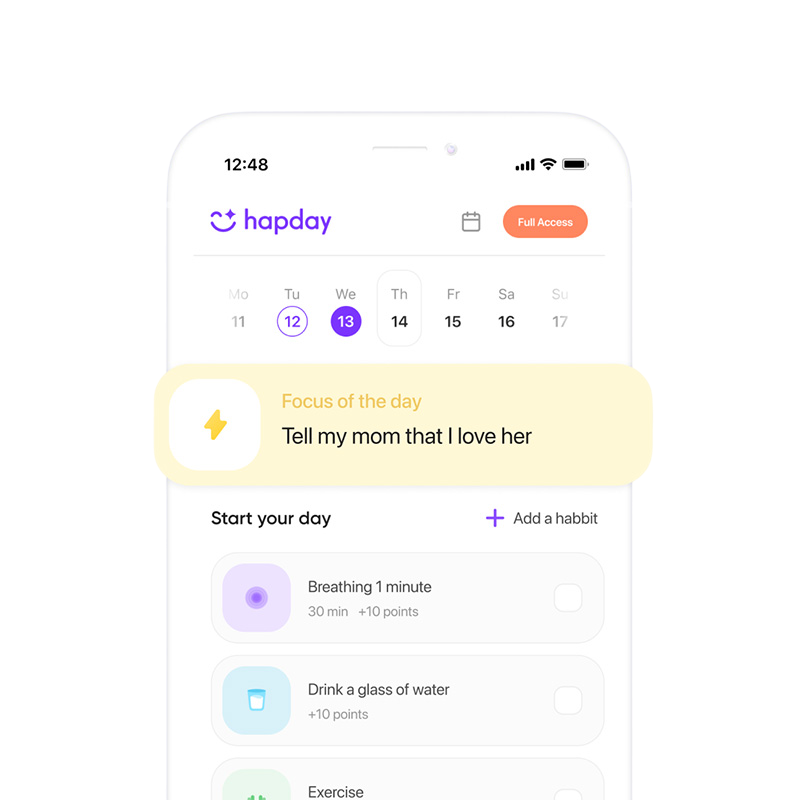
- Leverage Technology Wisely: Combat technology with technology. Digital wellness tools like Dopy guide dopamine detoxes, offering Pomodoro timers, habit tracking, and smart reminders to help steer your course.
Real-Life Applications of Digital Detox
Take Ryan, a 33-year-old marketing executive. After leaning into digital detoxing, his anxiety ebbed and clarity surged. Starting small, he skipped social media over weekends, reigniting neglected passions like painting and jogging. Inspired by these shifts, Ryan continued weaving other strategies into his routine, fostering a more focused and enriching life.
Overcoming Challenges
Expect the initial resistance—it’s part of the journey.
“Urges to revert arise; treat setbacks not as failures but as chances to understand triggers and reinforce boundaries.”
— Dr. Sarah Chen, Clinical Psychologist
Navigating discomfort, refining coping strategies, these are the valleys. Support systems, both online and offline communities sharing your goals, offer encouragement and accountability throughout your quest to cut screen reliance.
Embrace the Journey to a Balanced Life
Stepping away from screens goes beyond detox—it’s an opportunity to rediscover the non-digital you. Sure, technology remains integral, yet understanding its effects, setting boundaries, and choosing intentionality over mindlessness puts you back at life’s helm.
You might discover a calmer mind, deeper relationships, even a rekindled zest you didn’t know you’d lost. While screen addiction can feel definitive, it’s merely a hurdle on your wellness path. Leap over—embrace the potential a digital detox promises.
Key Takeaways
- Screen addiction is pervasive, particularly among younger generations, leading to anxiety and disconnection.
- A digital detox can enhance mental health by fostering real-life connections and reducing screen time.
- Practical steps like setting tech-free zones and embracing nature can aid in initiating a detox.
- Sustaining changes requires ongoing mindfulness, digital fasting, and prioritizing face-to-face interactions.
- Support systems and coping strategies are essential for overcoming challenges during the detox journey.
The Bottom Line
The science buttressing screen addiction is clear, while costs of succumbing are steep. With deliberate actions and perseverance, you can break free, sailing toward a more present and meaningful life.
References
- Pew Research Center – https://www.pewresearch.org
- American Psychological Association – https://www.apa.org
- Harvard Medical School – https://www.health.harvard.edu
- Stanford University – https://news.stanford.edu