



Table of Contents
- The Digital Overload
- Why a Digital Detox Matters
- How Technology Affects Our Brains
- The Science of Resetting Your Brain
- Strategies to Implement Digital Detox
- Making Digital Detox a Lifestyle
- A Real-World Approach
- Conclusion: Your Path to Clarity
Key Takeaways
- Digital detox is essential for mental health in a technology-saturated world.
- Limiting screen time can help stabilize dopamine levels and reduce anxiety.
- Implementing simple strategies like phone-free zones can significantly improve focus.
- Technology can be a helpful ally in achieving a balanced digital lifestyle.
- Commitment to a digital detox can lead to profound changes in attention and relationships.
The Digital Overload
The intertwining of life and technology is profound—did any of us envisage this a decade ago? Sure, tech brings convenience, but it drags us through a relentless daisy chain of pings and dings. The American Psychological Association (APA) published findings that revealed nearly 43% of adults in the United States are hooked on regularly checking their emails, texts, or social media. That uneasy feeling that your focus is threadbare? You’re in crowded company.
Why a Digital Detox Matters
Here’s the kicker: “digital detox.” Not just another wellness buzzword but a crucial mental health remedy.
“Our brains just aren’t built for this non-stop barrage of info.”
— Dr. Sarah Chen, NYU
The National Institutes of Health chime in—prolonged screen exposure is linked to anxiety and depression. It’s as if screens are rewriting our mental software, one notification at a time. Remember when we looked each other in the eye and not at the screen?
How Technology Affects Our Brains
Consider this the next time you feel the siren call of your smartphone. Each blip triggers a dopamine release—a pleasure rush. According to the Mayo Clinic, this constant stimulation ensnares us in a search for the next hit, whether it’s a thumbs-up or a message alert. It’s a worrisome cycle, dulling our pleasure thresholds while stirring anxiety. Sound familiar?
What then? Enter the digital detox—a deliberate effort to curb these stimuli. The goal? To reclaim focus and reset those dopamine pathways. It’s like hitting the mental refresh button.
The Science of Resetting Your Brain
Why even bother with a digital detox? Well, Harvard University’s research indicates that lessening the digital flood allows dopamine levels to stabilize, rerouting how our brains perceive pleasure and focus. It’s a mood-boosting mental reboot. In this whirlwind tech age, that’s worth its weight in gold.
Strategies to Implement Digital Detox
- Establish Phone-Free Zones: Take Maya’s story—a 28-year-old navigating a painful divorce finds solace, yet torment, in her phone. Shifting to phone-free zones, like keeping the dining table tech-free, turned isolation into connection. Break those well-worn routines and bask in the liberation it brings.
- Unplug Regularly: Set fixed, tech-free times. Easier said than done, right? Start small, maybe an hour in the evening or a tech-free Sunday. UCLA’s Dr. Emily Stone suggests a gradual buildup can make this habit stick.
- Optimize Notifications: Think of your notifications as needy toddlers, constantly vying for your attention. The National Institute of Mental Health warns that chopping back these interruptions improves focus and reduces stress. Switch them off and savor the calm.
- Engage in Analog Activities: Rediscover joy in simple pleasures—dust off old novels, play a board game, or pick up watercolor painting. It’s not just filling the gap left by screens; it’s nurturing your neglected soul.
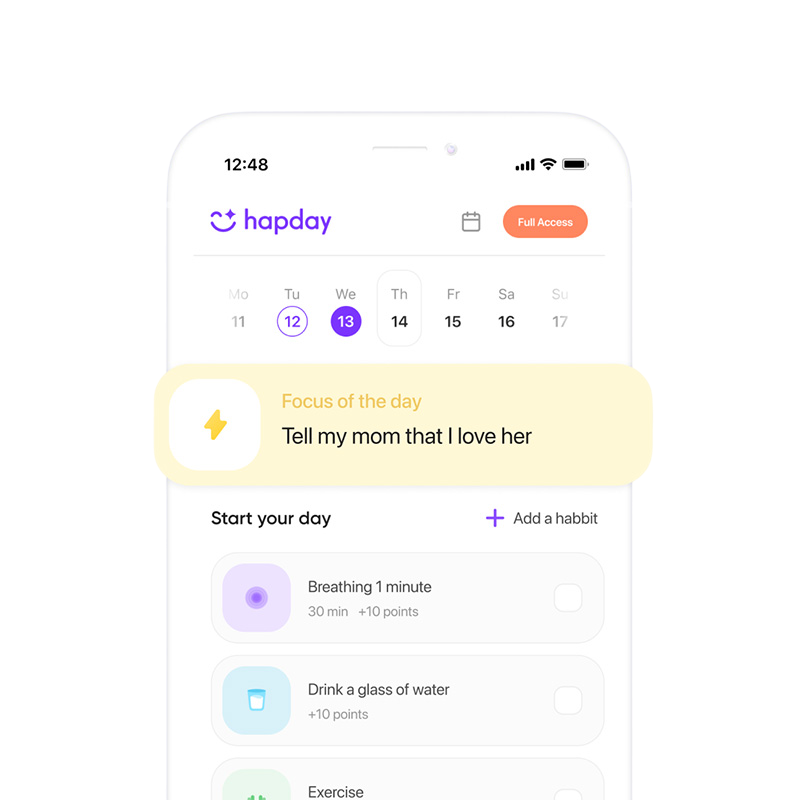
- Use Technology to Your Benefit: Ironically, tech can aid in your detox. Apps like “Dopy” offer Pomodoro timers and habit trackers, guiding you towards structure amidst the chaos. It’s about wielding technology as a supportive ally, not a tyrant.
Making Digital Detox a Lifestyle
Achieving a digital detox is not a fleeting cleanse but a commitment to a balanced life. Shift from tech reliance to cultivating genuine, profound daily routines.
“It’s about redefining, not eliminating, tech to bolster wellness.”
— Dr. John Milner
A Real-World Approach
Let’s look at Ben, a software engineer at 32, who witnessed life-shifting changes with a digital detox. Integrating tech-free intervals with mindfulness practices transformed his stress into tranquility. His focus sharpened, relationships deepened—a new beacon of attentiveness rose from the chaos.
Conclusion: Your Path to Clarity
Caught in the web of digital chaos? A digital detox might be your escape route. Envision enhanced focus, reduced stress, and connecting meaningly with those around you. The power lies in you—reclaim clarity and purpose as you step wisely away from the screen’s grip.
The Bottom Line
In a world clamoring for our constant attention, a digital detox can restore balance and improve mental health. As you weave these strategies into your daily life, you can escape the clutches of constant distractions and rediscover a focused, fulfilling existence.
For your journey into focus and calm, download the Dopy app. With its Pomodoro timers and habit trackers, Dopy helps maintain focus and achieve a fulfilling digital detox. Dive in and rediscover your attention span today.
References
- American Psychological Association
- National Institutes of Health
- Mayo Clinic
- Harvard Health Publishing
- National Institute of Mental Health