



Table of Contents
- The Modern Conundrum: Overstimulation
- Why Embrace Calm Living?
- The Science of Serotonin and Dopamine
- Transitioning to a Low-Stimulation Lifestyle
- Community and Nature
- Navigate a New Path
- The Bottom Line
The Modern Conundrum: Overstimulation
Imagine awakening to the gentle glow of dawn’s early light, with nothing but the soft murmur of leaves dancing outside your window. Now, juxtapose this serene scene with today’s blaring alarms, incessantly vibrating phone alerts, and the cacophony of unread text messages. Feel all too familiar? If you’re overwhelmed by this barrage of incessant stimuli, you’re certainly not navigating this alone. Increasingly, people find themselves drained by persistent disruptions that have found a way to infiltrate our everyday lives. We’re all chasing the elusive dream—calm living.
Today’s technological marvels, meant to streamline our lives, often ensnare us instead. Back in 2019, a study from RescueTime revealed that the average person checks their phone about 58 times a day. Think about it. This constant interaction doesn’t only sap your phone’s battery—it relentlessly drains your mental energy too.
This unending craving for stimulation isn’t without consequences. Experts call this “digital dependency.”
“Our overreliance on gadgets can spark anxiety and chip away at our ability to concentrate.”
— Lisa Strohman, Clinical Psychologist
And let’s be honest, we’ve all felt it. Haven’t we?
Why Embrace Calm Living?
It’s a familiar sound, isn’t it? The call to adopt a quieter life. Scientific findings back these whispers of wisdom. Our brains are bombarded by so many neurotransmitters that they can become fatigued—something they’ve begun calling “dopamine fatigue.” Take Maya, for instance. Following her divorce, she sought solace in her phone, but it amplified her distress. By disconnecting and consciously reducing screen time, she discovered the art of calm living, easing her anxiety and enhancing her overall well-being.
“Brains require downtime, unpolluted by digital noise, to reset. This isn’t just beneficial—it’s essential for psychological health.”
— Dr. Sarah Chen, Clinical Psychologist at NYU
The Science of Serotonin and Dopamine
Consider serotonin and dopamine—those chemical messengers coursing through your brain. Serotonin contributes to happiness, while dopamine links with pleasure. For optimal mental focus, these require a delicate balance, yet in a world of perpetual stimulation, our neural chemistry can be disrupted, seeking gratification that remains evasive. Embracing a life with less stimulation aids in restoring this balance, paving the way for deeper satisfaction and sustained focus.
Transitioning to a Low-Stimulation Lifestyle
Shifting gears in your daily life isn’t just about semantics but about integrating change with intentionality. Here’s how you can make it happen, sans the scientific complexity, with real-world strategies for calm living.
Mindful Mornings
Begin your day with intent—avoid the immediate lure of your phone. Research suggests our cortisol levels spike in the morning, which checking emails or news can exacerbate. Instead, try breathing exercises: inhale for four seconds, hold, and exhale. Aligning your heart rate and respiratory pace can instill a calming rhythm within.
Scheduled Downtime
Create an oasis amidst chaos through planned downtime. According to Helen Tran, a mindfulness coach, “Periods of nothingness are vital for essential brain functions.” Dedicate just 30 minutes daily to non-digital pursuits: gardening, reading, or simply being with your thoughts.
Reclaiming Focus
Reflect on how rest can fuel productivity. Studies support that our attention spans peak after short periods (approximately 25 minutes), a concept central to the Pomodoro Technique. Take breaks, recharge—your brain, much like any well-oiled machine, demands periodic resets.
Digital Declutter
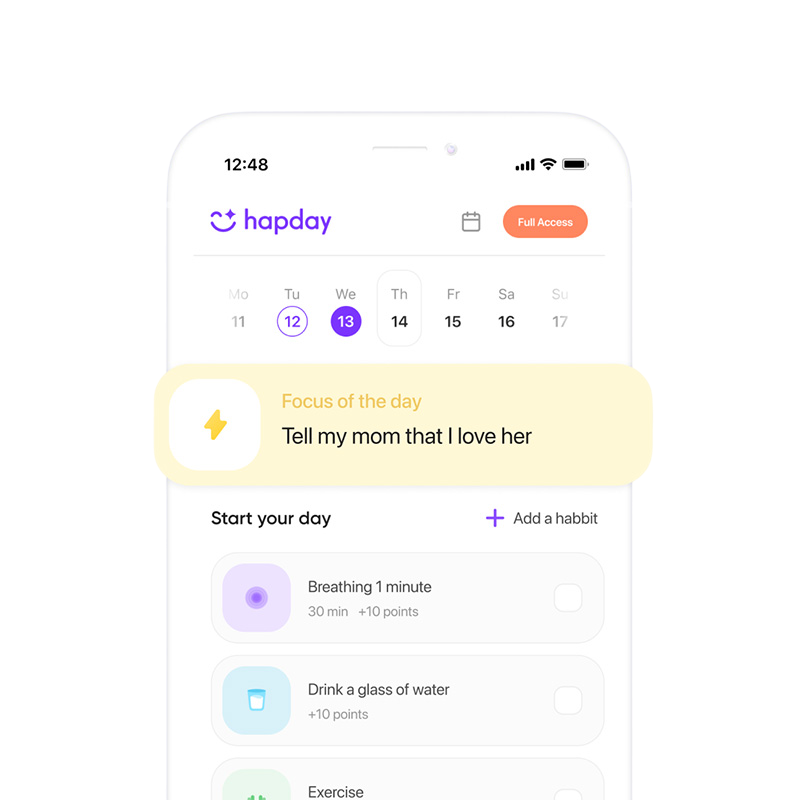
Our phones might be an indelible part of modern life, but we can wield control. Declutter your digital realm with apps like Dopy, guiding you towards focus through structured tech breaks and habit tracking.
The Power of Adaptation
Greg Eghigian, a neurobiologist, beautifully encapsulates this journey:
“Our brains adapt remarkably to environments we’re exposed to.”
— Greg Eghigian, Neurobiologist
By gradually minimizing stimuli, one can shape a surrounding that promotes flourishing. For Nick, a shift occurred when he banned mobile devices from the bedroom—suddenly, his mood and productivity both soared.
Community and Nature
We humans, social creatures as we are, require authentic connections. Digital exchanges often lack the depth of real-life interactions. When last did you savor a real conversation? Deep connections can lower cortisol, while boosting oxytocin, known for its comforting benefits.
Natural Connection
Nature acts as a balm. In 2020, “Frontiers in Psychology” highlighted how green spaces alleviate stress and boost mood. Nature’s calming rhythm—well, it’s something your heart and mind naturally attune to, slowing down your heart and easing anxiety.
Navigate a New Path
Embracing a tranquil life needn’t be overwhelming. Begin with small shifts. Every change can set in motion another, forming a positive cascade. To recap:
- Limit digital exchanges
- Foster human connection
- Plan downtime
- Integrate nature into your rhythm
Think of this journey as constructing a haven in the storm—a life of serenity and insight amidst the chaos.
Choosing calm in a world demanding your every attention is a bold act of self-care. It’s about reclaiming your space, thoughts, and a life that truly echoes your essence.
Key Takeaways
- Modern life is filled with distractions that drain mental energy and cause anxiety.
- Calm living can improve mental health and enhance overall well-being.
- Incorporating mindful practices and intentional downtime is essential for restoring focus.
- Genuine human connections and time in nature significantly improve happiness and reduce stress.
The Bottom Line
Embracing a calmer lifestyle is not merely about reducing chaos but about reclaiming your essence in a distraction-laden world. Small, intentional changes lead to a larger transformation toward a more serene existence.
For those determined to regain focus and immerse in purposeful living, consider Dopy – Dopamine Detox App. Set Pomodoro timers, track habits, and receive timely reminders. Reclaim yourself, one serene moment at a time.