


Understanding Calm Living Beyond Aesthetic Trends
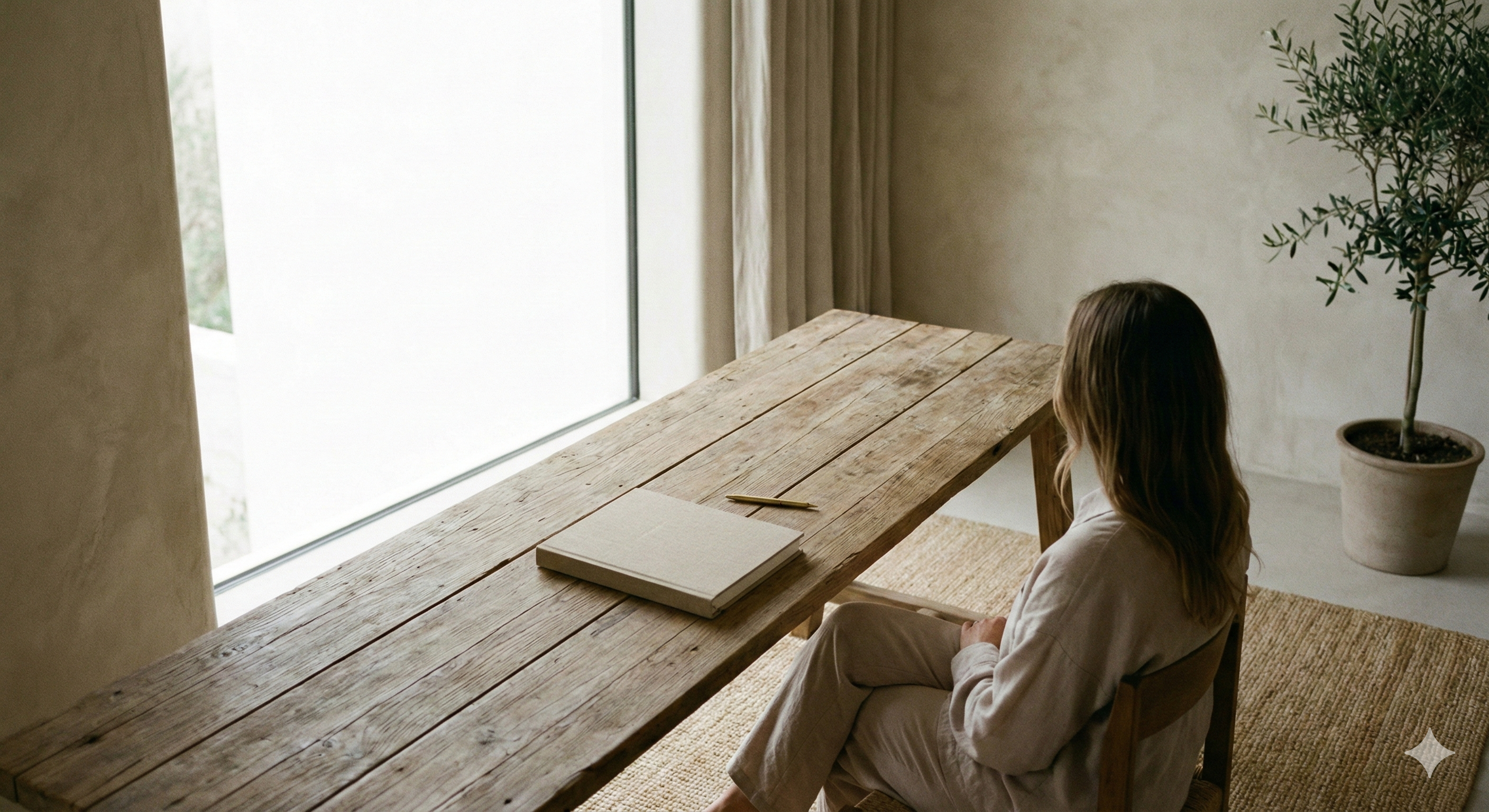
Calm living is often misunderstood as a visual trend—neutral colors, minimal interiors, and slow routines. In reality, calm living is a neurological state. It is the result of a regulated nervous system that is no longer overwhelmed by constant dopamine triggers. At ResetMind, calm living means designing a life that reduces unnecessary stimulation so the brain can return to its natural rhythm of balance, clarity, and emotional stability.
How Dopamine Overload Disrupts Inner Calm
The modern digital environment keeps the brain in a near-constant state of alertness. Notifications, news cycles, scrolling, and multitasking repeatedly activate dopamine spikes. Over time, this leads to mental noise, irritability, anxiety, and restlessness. Calm becomes difficult not because life is objectively stressful, but because the nervous system is overstimulated and unable to downshift.
The Nervous System’s Role in Calm Living
True calm is not forced—it emerges when the nervous system feels safe. When stimulation is reduced, the parasympathetic nervous system activates, slowing the heart rate and relaxing the mind. This shift allows emotional processing, deeper breathing, and mental clarity. Calm living focuses on creating daily conditions that support this state rather than fighting stress with willpower.
Reducing Input to Restore Mental Quiet
One of the most effective ways to cultivate calm is by reducing informational input. Constant consumption prevents the mind from settling. Silence, empty space, and stillness allow thoughts to complete rather than pile up. When the brain is no longer bombarded, internal dialogue softens, and mental peace becomes accessible again.
Creating a Calm Daily Rhythm
Calm living is supported by rhythm rather than productivity pressure. Predictable routines signal safety to the brain. Waking, eating, working, and resting at consistent times reduces cognitive load and emotional volatility. Over time, the mind stops anticipating urgency and learns to remain present.
Slow Activities That Heal Dopamine Fatigue
Activities without immediate rewards—walking, journaling, reading, or light stretching—restore dopamine sensitivity. These practices may feel boring at first, but boredom is a sign of recalibration. As sensitivity returns, simple experiences become satisfying again, reinforcing calm from within.
Emotional Regulation Through Simplicity
Excess choices and obligations fragment attention and increase anxiety. Calm living embraces simplicity as a form of emotional hygiene. Fewer commitments, fewer apps, and fewer decisions create space for emotional stability. Calm becomes sustainable rather than fleeting.