


Introduction
You swear this time will be different. You delete the apps, buy a hardcover book, move your phone to the other room at 10 p.m. I’ve done the same—on a Thursday, for some reason—only to find myself two days later doom-scrolling, half-watching a show, and answering Slacks I don’t even care about. If your overstimulation recovery keeps failing, you’re not broken—and you’re not alone. You’re fighting biology, design, and habits that outperform willpower every time.
This isn’t another vague “unplug” sermon. You’ll see why your overstimulation recovery plan collapses, how your brain’s reward system gets hijacked, and what a realistic, science-backed reset actually looks like. Back in 2021, The Guardian reported on the quiet epidemic of compulsive checking; Deloitte’s mobile survey the same year put daily phone checks well into the dozens. Numbers vary by study, but the pattern is familiar. If you struggle with digital detox, dopamine detox, or screen addiction, consider this your field manual for getting your attention—and your life—back.
Table of Contents
- Why overstimulation recovery fails: the real reasons, not the moral ones
- A voice you can trust in the noise
- Where people actually trip—real stories
- A science-backed plan to make overstimulation recovery stick
- Build overstimulation recovery on physiology first
- Make overstimulation recovery easier than relapse
- Run a 7-day “low-noise” reset, not a crash detox
- Use a stimulus budget instead of abstinence
- Monotask with a body-based focus protocol
- Protect evenings like your sanity depends on it
- Create a relapse plan in advance
- What a good day of overstimulation recovery looks like
- Two expert nudges to remember
- Roadblocks that derail overstimulation recovery—and what to do
- The psychology behind what actually changes your brain
- How to measure progress in overstimulation recovery
- Closing: your next calm hour is not a fantasy
- The Bottom Line
- Short summary + CTA
- References
Key Takeaways
- Design beats willpower: change cues, friction, and defaults to make focus easier than relapse.
- Physiology first: protect sleep, light, caffeine timing, and daily movement to stabilize attention.
- Use a stimulus budget and batch windows to replace compulsive, variable rewards with predictable ones.
- Monotask in short, body-anchored sprints and protect evenings to prevent arousal spikes.
- Plan for slips: quick resets turn detours into data, not spirals.
Why overstimulation recovery fails: the real reasons, not the moral ones
-
1) You’re treating symptoms, not inputs
When the problem is too much stimulation, we often attack outcomes (anxious, unfocused, tired) instead of upstream inputs (hyper-novelty, alerts, late-night light). Our brains learn from rewards: unpredictable, rapid hits of novelty—like notifications and infinite feeds—teach the brain to keep checking. The National Institute on Drug Abuse describes how dopamine signals in the reward circuit drive learning and motivate repeating the behavior that produced the reward. That’s how habits harden, even when we hate them (NIDA).“Most people try to white-knuckle their way through overstimulation recovery while the stimulus firehose stays wide open. If cues and rewards remain the same, your brain does exactly what it was trained to do—seek, scroll, and spike.”
— Dr. Sarah Chen, Clinical Psychologist, NYU
She’s right; I’ve watched clients and myself fall for this mismatch more times then I’d like to admit.
-
2) You’re relying on willpower for a structural problem
Willpower is a sprint, not a system. The American Psychological Association notes that self-control draws on limited mental resources and works better when you design for it—manage cues, pre-commit, and build habits that reduce friction (APA). Overstimulation recovery fails when you count on “being stronger” rather than making it harder to indulge and easier to focus. My read: architecture beats heroics. -
3) Your physiology is sabotaging you (sleep, light, caffeine)
You can’t recover from overstimulation if your nervous system never gets to downshift. Sleep debt increases impulsivity and impairs attention and mood (NHLBI). Blue light at night suppresses melatonin and shifts circadian timing, making it harder to fall and stay asleep (Harvard Health). And caffeine’s half-life (about 3–5 hours) means late-afternoon coffee can quietly wreck sleep quality (Mayo Clinic). Without a stable sleep-wake rhythm, overstimulation recovery doesn’t stick. Think of it as trying to declutter a house while the windows are blown open in a storm. -
4) You’re multitasking your brain into fragments
Task switching carries a measurable cost. The APA highlights that productivity can drop by up to 40% when you bounce between tasks (APA). Many “resets” fail because people keep background stimulation—music with lyrics, chat pings, open tabs “just in case”—that splinters attention and rewards constant context shifts. The brain can do it, briefly. It rarely does it well. -
5) You’re going all-or-nothing, triggering rebound binges
A 7-day zero-phone vow can feel heroic—and then snap back into a binge. Dopamine systems adapt to restricted input by amplifying the salience of cues; over-restriction can heighten craving. The reward-learning model described by NIDA shows how intermittent, big spikes strengthen pursuit behaviors (NIDA). Overstimulation recovery works better with graduated, predictable inputs than heroic deprivation. I’ve seen “no social for a month” plans implode on day nine. -
6) You’re ignoring circadian anchors
Your daily light, movement, and meal timing train your body clock. When those anchors are chaotic, focus and mood wobble. Consistent morning light and steady sleep windows support energy and impulse control (NIGMS). Without those anchors, overstimulation recovery never finds stable ground. This is less self-help than physics. -
7) Your body never empties stress
Movement is not optional. Regular physical activity improves brain health, mood, and cognitive function (NIA). The CDC recommends at least 150 minutes of moderate activity per week (CDC). Without an outlet, the nervous system stays edgy—and edgy brains chase fast relief (scrolling, snacking, shopping). Even a 10-minute walk can change the dial—quietly, reliably.
A voice you can trust in the noise
“Overstimulation recovery isn’t about moral purity. It’s energy economics. Lower baseline arousal, reduce unpredictable rewards, and train longer, calmer engagement. The brain follows the math.”
— Dr. Luis Ortega, Neuroscientist, UCSF
It’s the least romantic answer, which is partly why it works.
Where people actually trip—real stories
-
When Maya, 28, went through her divorce, she tried a dopamine detox: no social media for a month. Day 10, she relapsed into a 6-hour scroll. What changed later? She built a stimulus budget (more on this below), deleted only her top two triggers, and set a 9 p.m. light curfew. Two weeks later, her screen time dropped 38%, and she reported feeling “bored in a good way.” I find that phrase—bored in a good way—oddly beautiful.
-
Jamal, 31, a product manager, couldn’t stop checking Slack. He moved alerts to batch windows and switched to grayscale. He also installed a 2-minute buffer: before opening any app, he had to stand up and take 10 slow breaths. “The friction was just enough,” he said. His deep work blocks doubled. Small seams in the habit loop can hold a lot.
-
Leo, 25, had constant anxiety. He was sleeping 5.5 hours, caffeinating at 5 p.m., and scrolling in bed. He changed nothing else—just sleep: a consistent 11–7 schedule, no screens after 10 p.m., and morning light within an hour of waking. Two weeks later, his cravings felt “quiet.” Overstimulation recovery finally had a foundation.
A science-backed plan to make overstimulation recovery stick
This plan starts with physiology, then rewires your environment and routines so focus becomes the easy path.
Build overstimulation recovery on physiology first
Why this works
- Sleep restores prefrontal control. Chronic sleep loss makes you more reactive and less planful (NHLBI).
- Light shapes your clock. Evening blue light delays melatonin; morning light advances your rhythm (Harvard Health; NIGMS).
- Caffeine timing protects sleep. Late-day caffeine quietly taxes recovery (Mayo Clinic).
How to do it
- Set a non-negotiable sleep window you can keep 6–7 nights per week. Protect an 8-hour opportunity for sleep.
- Get 5–10 minutes of outdoor morning light within 60 minutes of waking.
- Curfew: no bright screens in the last 60–90 minutes before bed; use warm color temperature if needed.
- Caffeine cutoff: 8–10 hours before bed.
- Move daily: 20–30 minutes, any modality you’ll actually do (NIA; CDC). On tough days, walk the block—consistency over heroics.
Make overstimulation recovery easier than relapse
Why this works
Habits follow cues and friction. If it’s easy, it happens. If it’s hard, it won’t. You don’t need superhuman discipline; you need better defaults (APA on willpower and self-control design). My bias: design the environment once so your future self can coast.
How to do it
- Notification triage: Turn off all non-human alerts. Keep calls and texts from favorites only.
- Grayscale your phone and remove social apps from your home screen. Put them in a folder named “Later.”
- App locks and batch windows: Allow social/email/Slack only at 11:30 a.m. and 5:30 p.m., 20 minutes each. That’s your stimulus budget window.
- One-screen rule: Only one screen active at a time. No second-screening shows + phone.
Run a 7-day “low-noise” reset, not a crash detox
Why this works
Overstimulation recovery fails when it’s too extreme. A low-noise reset reduces spikes without triggering a binge. Think dimmer switch, not kill switch.
How to do it
- Identify your top two triggers (e.g., TikTok and YouTube). Delete them for 7 days. Keep everything else with batch windows.
- Replace with low-stimulation fillers: a physical book, walking, cooking, journaling.
- Set 2 daily anchor blocks: 90 minutes of monotask work in the morning and 60 minutes in the afternoon.
Use a stimulus budget instead of abstinence
Why this works
Predictable, limited rewards reduce chasing. Variable, open-ended access trains compulsive checking (NIDA).
How to do it
- Decide on 40–60 “fun minutes” a day. Spend them consciously: one show, some gaming, or catching up with friends online. No random grazing.
- Put the budget after deep work and movement. Reward, don’t distract. If you blow the budget, reset next block—no moral drama.
Monotask with a body-based focus protocol
Why this works
The mind follows the body. Short, time-boxed sprints reduce anxiety and build momentum. Meditation and breath can lower arousal—Harvard reports mindfulness practices can ease anxiety and stress (Harvard Health).
How to do it
- Pomodoro focus: 25 minutes on, 5 off, repeat three times; then a 20–30-minute break with a walk.
- Pre-block ritual: 1 minute of slow nasal breathing, longer exhales than inhales; fill a water bottle; clear your desk.
- Post-block check-in: Did you open anything unplanned? Note the trigger. Patterns matter more than perfection.
Protect evenings like your sanity depends on it
Why this works
The night is where overstimulation recovery lives or dies. Screens at night, late meals, and last-minute Slack checks spike arousal. After 2020’s everything-at-home era, many of us lost the off switch.
How to do it
- 90-minute wind-down: lights low, no work communications, no news.
- Analog buffer: stretch, read paper pages, shower, or journal three lines about what went well.
- Bedroom rules: phone charges outside; if you must, use Do Not Disturb and a dumb alarm clock.
Create a relapse plan in advance
Why this works
You will slip. With a plan, slips don’t become spirals. This is relapse prevention 101—and it works.
How to do it
- The 24-hour rule: After a binge, do a full day on your protocol. No shame spiral.
- If–then scripts: “If I catch myself doom-scrolling, then I’ll stand up, drink water, and walk to the window.”
- Tiny reset: a 5-minute stretch + 10 slow breaths + delete one trigger for the rest of the day.
What a good day of overstimulation recovery looks like
- 7:00 a.m.: Wake, 10 minutes of outdoor light, water, light movement.
- 8:30–10:00: Monotask deep work (phone in another room).
- 10:00: Walk + 5 minutes breathwork.
- 11:30: Batch window 1 (email/social) for 20 minutes.
- Afternoon: Workout or brisk walk; protein-heavy meal.
- 3:00–4:00: Monotask deep work.
- 5:30: Batch window 2 (messages/social) for 20 minutes.
- 8:30: Low light. Read, stretch, journal.
- 10:30: Lights out.
Two expert nudges to remember
“Don’t aim for boredom-free. Aim for tolerable quiet. The ability to sit in mild boredom is the skill you’re actually training.”
— Dr. Sarah Chen, Clinical Psychologist, NYU
“Track behavior, not feelings. Feelings will catch up once your system calms down.”
— Dr. Luis Ortega, Neuroscientist, UCSF
From experience, that lag can feel unfair…and then it lifts.
Roadblocks that derail overstimulation recovery—and what to do
-
My job requires me to be online all day
Batch communication. Close apps during deep work blocks; add a status message with response times. Use a single notification channel for urgent items only. You’re not refusing to work online; you’re refusing chaos. -
I relapse at night when I’m lonely or stressed
Plan for it. Create a “comfort menu” that’s screen-light: call a friend, take a warm shower, cook a simple meal, or do a guided 10-minute meditation (Harvard Health on mindfulness suggests it can reduce anxiety). Keep the phone away from the bed. Proximity is destiny. -
I get restless without stimulation
Normalize it. Restlessness is your nervous system asking for movement, not more content. Take a 7-minute brisk walk, do 10 pushups, or stretch for 2 minutes. Then ask: Do I want to go back? Half the time, you won’t. -
I can’t focus without music, but lyrics distract me
Use instrumental or nature sounds. If music still pulls attention, switch to brown noise for your focus sprints. Your brain will adapt—usually within a week. -
Friends message me on multiple apps—I feel rude if I don’t reply
Tell them your new rhythm: “I check messages at 11:30 and 5:30. If urgent, call.” Overstimulation recovery requires social agreements, not secrecy. Script it once; let it run.
The psychology behind what actually changes your brain
- Predictability
Your brain calms when it can predict what’s next. Batch windows, set sleep, and set work blocks reduce uncertainty. Certainty is soothing. - Replacement, not removal
You’re not just removing stimuli—you’re replacing them with lower-arousal alternatives: walking instead of scrolling, paper instead of pixels, music without lyrics instead of a podcast. Substitutions keep the habit loop intact—only gentler. - Small wins stack fast
Each completed 25-minute sprint, each night of protected sleep, each delayed check-in—all of it re-teaches your brain that you, not the feed, set the pace. It’s slow, then sudden.
How to measure progress in overstimulation recovery
- Sleep: Track bedtime, wake time, and how you feel in the morning. Protect 8-hour windows.
- Deep work: Count completed focus blocks per day.
- Check-ins: Count how many times you opened your batch windows versus random checks.
- Mood: 1–10 rating morning and evening.
- Relapses: Note trigger, time of day, and what you’ll try next.
If this sounds like work, it is—but it’s cleaner work than being carried by the current. You don’t need a perfect month; you need a single day that proves overstimulation recovery is possible in your real life. Then repeat it, imperfectly, enough times to trust yourself again. I’d argue that trust beats motivation, every time.
Closing: your next calm hour is not a fantasy
If your overstimulation recovery keeps failing, the fix is not to become a tougher version of you. It’s to become a better architect of your inputs. Lead with physiology, design for single-tasking, set a gentle stimulus budget, and treat relapse as a cue to reset, not a character flaw. Do this for seven days and notice what returns: quiet, focus, actual satisfaction. That’s the point of overstimulation recovery—not purity, but presence. It’s not glamorous; it is yours.
The Bottom Line
Reclaiming your attention isn’t about iron will—it’s about smart design. Stabilize sleep and light, add daily movement, batch your inputs, and monotask in short sprints. Use predictable rewards and a ready-made reset for slips. Do the small, boring things consistently, and calm, focus, and confidence follow.
Short summary + CTA
You’re not failing at self-control; you’re fighting a system built to hijack attention. Ground your overstimulation recovery in sleep, light, movement, batched inputs, and monotasking sprints. Build friction against triggers, budget predictable rewards, and plan for slips. Small, boring moves win.
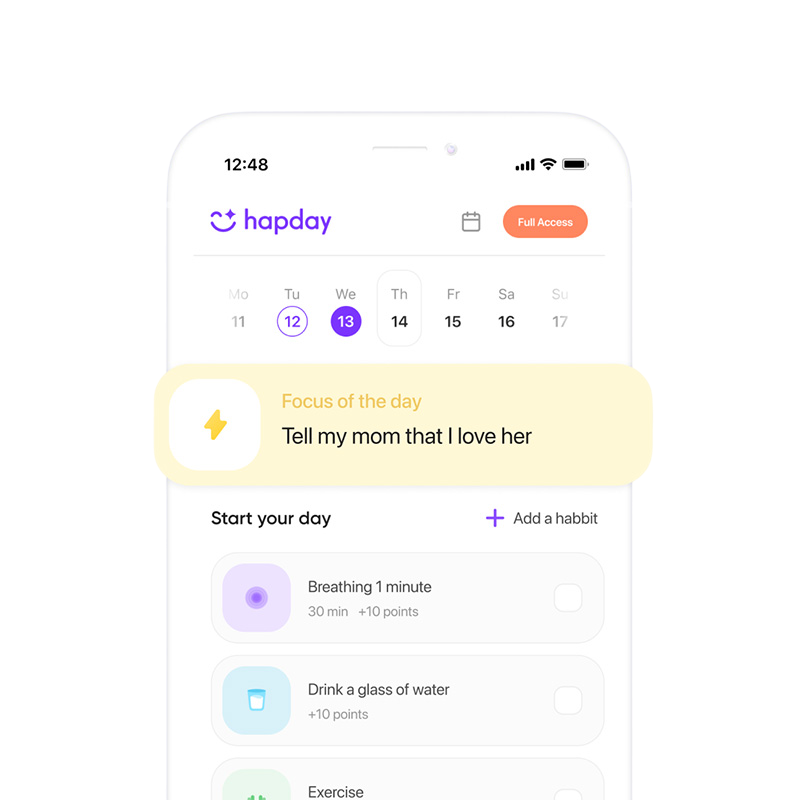
Bold move: Try Dopy — Dopamine Detox App to structure your reset with Pomodoro, habit tracking, and smart reminders. Download: https://apps.apple.com/app/dopy-dopamine-detox-app/id6756252987
References
- National Institute on Drug Abuse (NIDA) — Reward Circuitry
- American Psychological Association — Multitasking
- American Psychological Association — Willpower
- National Heart, Lung, and Blood Institute — Sleep Deprivation and Deficiency
- Centers for Disease Control and Prevention — How Much Sleep Do I Need?
- Harvard Health Publishing — Blue light has a dark side
- National Institute of General Medical Sciences — Circadian Rhythms
- Mayo Clinic — Caffeine: How much is too much?
- National Institute on Aging — Exercise and Physical Activity
- Harvard Health Publishing — Mindfulness meditation may ease anxiety