



Table of Contents
- The Urgency of a Digital Detox
- 1. Schedule Tech-Free Breaks
- 2. Declare Screen-Free Zones
- 3. Embrace Mindful Media Consumption
- 4. Cherish Face-to-Face Interaction
- 5. Adopt Minimalist Tech Practices
- 6. Foster a Therapeutic Morning Routine
- 7. Leverage Focus-Generating Apps
The Urgency of a Digital Detox
You might pose the question: why does laying down our gadgets feel like an impossible task? Simply—an intentional design. The devices capitalize on our brain’s reward center, distributing dopamine rewards with every notification. Yet, let’s not embrace despair completely. Longing for a reset? Digital detoxing offers a tangible route back to concentration and mental clarity. A way to reclaim time that’s slipped through our digital fingers. Curious how?
1. Schedule Tech-Free Breaks
Here’s a case in point: Maya, an advertising professional, hit that phone over a hundred times a day. Small intervention, big results. By carving out non-negotiable tech-free intervals, she reclaimed hours weekly, benefiting her connections with both colleagues and family. Resist disbelief—you might find serenity, productivity, even a hint of joy, by deliberately—yes, deliberately—stepping away from screens.
“Tapping into cycles akin to the Pomodoro technique, structured breaks allow your neural pathways to refresh and recharge.”
— University of California
**Why It Works**: Tapping into cycles akin to the Pomodoro technique, structured breaks allow your neural pathways to refresh and recharge. As the University of California disclosed in a 2021 paper, deliberate unplugging can significantly enhance creative and cognitive functions.
**How To Do It**: Initiate hourly pauses devoid of any screen interaction. If daunting, ease into it with shorter spans, incrementally extending them as you acclimate to life offline. In these intervals, engage in screen-free gems like a leisurely walk or some meditative breathing.
2. Declare Screen-Free Zones
Feng shui for the mind—environment shapes habits. Appointing specific home zones as screen-free can mentally cue peace and focus rather than electronic distraction.
“Environmental cues dominate our habits, even subtly wrenching our cognitive prowess just by lingering nearby.”
— Journal of the Association for Consumer Research
**Why It Works**: Have you ever noticed how phones somehow manage to sap your concentration, even when untouched? It’s clear—environmental cues dominate our habits, even subtly wrenching our cognitive prowess just by lingering nearby.
**How To Do It**: Transform bedrooms into serene resting places by banning electronics. Turn the dining room into a hub for familial engagement without digital trespassing. Dive into activities like reading paperbacks or meditating in these sanctuaries, reinforcing their peaceful association.
3. Embrace Mindful Media Consumption
Remember your last bout of mindless scrolling ending in a burst of productivity? Perhaps not—such is the nature of perpetual, unthinking browsing.
“Intentional media consumption stresses quality over mere volume. It tempers information avalanches, freeing up cognitive resources for meaningful pursuits.”
— Harvard Professionals
**Why It Works**: Intentional media consumption stresses quality over mere volume. It tempers information avalanches, freeing up cognitive resources for meaningful pursuits. Harvard professionals are nodding in agreement as I write.
**How To Do It**: Even Apple’s Screen Time or Android’s Digital Wellbeing can lend a hand: set daily social media limits. Curate your media diet, cutting ties with sources that sow negativity or breed unhealthy comparisons. Preserve your feeds for interests that align with personal growth and positivity.
4. Cherish Face-to-Face Interaction
Consider this: the warmth of an actual conversation versus a cold text exchange. Both connect—but only one fosters deep understanding and genuine empathy.
“In-person dialogues efficiently bridge gaps, fostering trust and igniting oxytocin, the hormone conducive to bonding and stress alleviation.”
— Oxford University
**Why It Works**: In-person dialogues efficiently bridge gaps, fostering trust and igniting oxytocin, the hormone conducive to bonding and stress alleviation. Plus, researchers at Oxford University found echoes of genuine connection in real-life conversations compared to their digital counterparts.
**How To Do It**: Plan regular dates with friends, family—anyone your heart desires. Even brief encounters can have profound impacts on mental richness. Should distances prove overwhelming, resort to video chats as a last line—the human element still counts there.
5. Adopt Minimalist Tech Practices
Maya, remember her? She cast off superfluous apps and trimmed her digital presence to just the essentials. This shedding paved the way to genuine tech utility.
“Simplicity clarifies clutter, opening mental bandwidth.”
— Princeton University
**Why It Works**: Simplicity clarifies clutter, opening mental bandwidth. According to a 2022 Princeton University study, juggling multiple devices fragments attention, deepening distraction.
**How To Do It**: Embark on regular digital purges. Identify and discard apps that no longer serve a purpose. Reevaluate notification settings to permit only critical interruptions. Streamlining digital habitats fortifies focus more than imagined.
6. Foster a Therapeutic Morning Routine
Why is our impulse to grab the phone upon waking so overwhelmingly enticing? It sets a reactive tone unfit to start any day.
“How we greet the day reverberates through its entirety.”
— Ayurvedic Wisdom
**Why It Works**: Ancient Ayurvedic wisdom insists that how we greet the day reverberates through its entirety. Shield that sacred initial half-hour post-waking from external distractions intent on hijacking your focus.
**How To Do It**: Consecrate the first daylight hour to activities contrary to tech: meditate, journal, stretch out the cobwebs, or savor an unhurried breakfast. Guard this ritual fiercely, like a date with a dear friend.
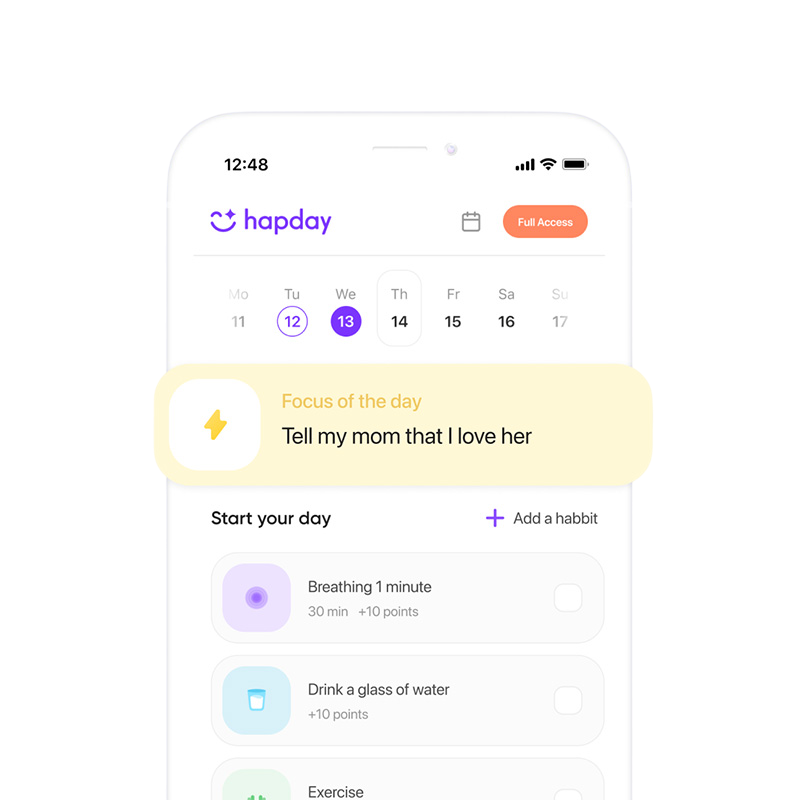
7. Leverage Focus-Generating Apps
Irony of ironies—using tech to defang tech’s grip. Yet focus-enhancing apps promise precisely that.
**Why It Works**: As digital accountability buddies, these apps empower reminders for breaks, while also charting habits aligned with your detox aims. With the assistance of advanced behavioral analytics, maintaining focus can be wrested from the jaws of distraction.
**How To Do It**: Try apps like Dopy—a digital ally offering Pomodoro timers and peaceful nudges toward healthier tech usage. Let this app bridge the gap between you and your technology goals, enhancing your well-being rather than diminishing it.
Key Takeaways
- Digital detoxing is essential for reclaiming mental clarity and concentration.
- Implement tech-free breaks and screen-free zones to reduce distractions.
- Practice mindful media consumption and prioritize face-to-face interactions.
- Adopt minimalist tech practices to declutter your digital environment.
- A cultivate a therapeutic morning routine to establish a focused day.
The Bottom Line
Embarking on a digital detox can seem akin to trekking a mountain path swirling with fog. Yet incremental steps, adaptive interventions, and proper tools illuminate the foothold for focus and serenity. The reward? A clarified mind, reborn with gentle gratitude for moments of rest and reset.
Is it high time you tread the path to focused, digitally harmonized living? Download Dopy, the Dopamine Detox App—your trusty navigator toward sustained balance and intentional habits—and welcome wellness on your own terms.