



Table of Contents
- Is It Time for Your Own Digital Detox Journey?
- 1. Set Tech-Free Times: Reclaim Your Moments
- 2. Rediscover the Outdoors’ Healing Powers
- 3. Try “Digital Fasting” for a Refresh
- 4. Keep Social Media in Check
- 5. Adopt Analog Activities for Mindful Relaxation
- 6. Declutter Your Digital World
- 7. Cultivate Mindful Tech Usage
- Carving Your Path Forward
Key Takeaways
- A digital detox is essential for improving focus and enhancing mental well-being.
- Setting tech-free times and rediscovering nature are effective ways to reclaim focus.
- Mindful tech usage and analog activities can help reduce digital dependence.
- Regularly decluttering digital spaces minimizes distractions and stress.
- Creating structured tech habits supports long-term mental peace.
Marie found herself surrounded by the dull glow of her digital devices, each demanding her attention like a hundred tiny babies crying out at once. Seated in her dimly lit apartment, she couldn’t escape the constant interruptions—her phone, laptop, and smartwatch all buzzing with notifications. Focus felt like a distant dream as a torrent of tweets, texts, and news alerts buried her concentration beneath a digital avalanche. Sound familiar?
In a world that’s perpetually connected, many of us, much like Marie, find ourselves ensnared in a web of screens that never stops clamoring for its moment in the limelight. Perhaps it’s worth noting—Asurion claims we check our phones about 96 times a day. When was the last time you truly savored your coffee without a feed in hand? Or answered an email without the pull of another notification? A digital detox isn’t just beneficial—it’s practically essential for mental peace of mind.
Is It Time for Your Own Digital Detox Journey?
Let’s get real: Why are we so hooked?
“Each ping activates our brain’s reward system, releasing dopamine—a little thrill that eventually chips away at our attention span.”
— Dr. Sarah Chen, NYU
Easy disconnection is hard, and you’re not alone.
Various studies underscore the uptick in digital addiction—did you know about 50% of teens confess to feeling glued to their devices, with 60% of parents thinking their kids spend too much time on the tech? That’s according to a survey by Common Sense Media. Breaking this habit might sound daunting, but it’s far from a lost cause.
1. Set Tech-Free Times: Reclaim Your Moments
During those early pandemic days, Alex, a diligent software engineer, grappled with blurred lines between work and home. Meals turned into another shift in front of screens until he decided to establish “tech-free hours”—a deliberate break from devices during meals and leisure time.
Why It Works: Pausing from tech allows the brain to reset—imagine silencing a persistent noise. It reinstates control, creating room to savor and fully engage with the real world.
How to Apply: Pin down specific times each day to power down. Be it meals or bedtime—hiding devices can help fight temptation.
2. Rediscover the Outdoors’ Healing Powers
For Maya, a painful divorce meant her phone became an anxiety magnifier. A friend’s advice led her to unplug each morning at a park, where nature gradually became her sanctuary from digital chaos.
Why It Works: Time in nature lowers cortisol levels and brightens your outlook. Supposedly, it offers the brain a break from digital frenzy (thanks, Psychology Today).
How to Apply: Sneak in 20-30 minutes daily for a walk or just a sit in the park. Use this time to disconnect physically and mentally—leave your phone behind.
3. Try “Digital Fasting” for a Refresh
Rebooting with digital breaks can be like intermittent fasting for the mind. It involves deliberately abstaining from digital distractions to nourish focus.
Why It Works: Neuroscientist Dr. Adam Gazzaley believes intermittent purification of digital stimuli rejuvenates our attention spans, allowing for clearer thought processes.
How to Apply: Start with small steps—maybe a device-free day a week—and slowly lengthen these periods as you adjust.
4. Keep Social Media in Check
Social media sites serve up dopamine on demand. Likes and shares forge an addictive cycle, leaving us yearning for more.
Why It Works: Research indicates that too much social media can heighten feelings of loneliness and despair (a tidbit from JAMA Psychiatry). Limiting its use relieves anxiety and nurtures authentic engagement with what’s present.
How to Apply: Employ apps to track your online time. Set browsing windows with timers.
5. Adopt Analog Activities for Mindful Relaxation
Hobbies minus screens are a soothing balm. Painting, reading, or crafting engages us with real life.
Why It Works: Such activities use different cognitive pathways and encourage mindfulness. They shift focus without stress (as per the National Institutes of Health).
How to Apply: Allocate time weekly to something analog. Treat it as an appointment you can’t miss.
6. Declutter Your Digital World
A chaotic digital space is a mind-drain. Marie found tranquility after organizing her inbox and reducing notification noise.
Why It Works: An organized digital life helps reduce stress. It liberates brain space for more meaningful tasks.
How to Apply: Regularly schedule clean-up sessions—sort emails and declutter your devices. Optimize with productivity tools.
7. Cultivate Mindful Tech Usage
Think before grabbing your phone—is it habit or need? Authentic connections beat boredom scrolling.
Why It Works: Mindful tech use bolsters decision making, upping satisfaction with time spent (per Harvard Health Publishing).
How to Apply: Set intentions for digital interactions. Reminders—a sticky note or phone cue—to pause can help keep you grounded.
Carving Your Path Forward
Digital noise isn’t going away. Learning to handle technology sensibly empowers us to focus better. It’s about balance, not abandoning screens altogether. Small changes lead to bigger shifts in focus and mental peace.
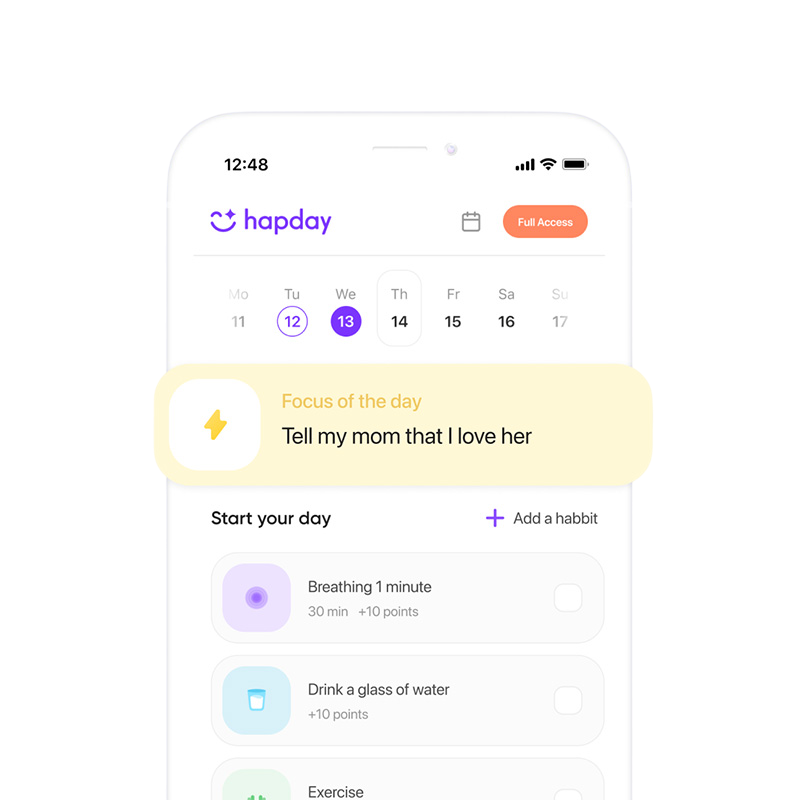
For those seeking structured support, Dopy might be the answer. Consider doing a trial run with tools like Pomodoro and habit trackers to stay organized and focused on your journey.
Even minor actions affect your tech habits, so take the plunge. Unplug, breathe deep, and reestablish the life that matters most—unhindered and meaningful.
The Bottom Line
Embracing digital detox strategies can significantly enhance your ability to concentrate and enjoy the present moment. By making incremental changes to your tech habits, you can reclaim your time and mental clarity.