



Table of Contents
- Why Resetting Dopamine is Crucial
- Decoding the Science: Dopamine and Overstimulation
- Steps to Reset Your Dopamine for Enhanced Mental Clarity
- 1. Digital Detox: Exit the Screen Parade
- 2. Experiment with Dopamine Fasting
- 3. Mindful Content Selection: Choose Your Inputs Wisely
- 4. Get Moving: Physical Exercise
- 5. Embrace Mindfulness and Meditation
- Rediscover Natural Joys
- A Path Forward
- References
Key Takeaways
- Resetting dopamine levels can improve mental clarity and focus.
- Digital detox and mindful content consumption are essential for a successful dopamine reset.
- Engaging in physical activity and mindfulness practices enhances dopamine function.
- Simple pleasures can restore balance in our lives when we learn to appreciate them.
Why Resetting Dopamine is Crucial
Before we dive into the specifics, let’s unravel the necessity behind it all. Imagine this: dopamine is the chemical informant of our brains tied to euphoria, focus, and enthusiasm. In an era where our attention is constantly under attack by everything from buzzing notifications to the latest binge-worthy series, who wouldn’t feel overwhelmed?
“Our brains are in a state of overdrive, almost desensitized to those enormous bursts of dopamine.”
— Dr. Sarah Chen, Clinical Psychologist at NYU
Quite the wake-up call, isn’t it?
Take Maya’s situation for instance—a 28-year-old in the throes of a divorce. She sought sanctuary in the endless social media feeds, which only masked her heartbreak momentarily. Navigating through a maze of notifications, she eventually realized the numbing effect and chose to heal by resetting her dopamine levels.
Decoding the Science: Dopamine and Overstimulation
Dopamine functions much like a heat-seeking missile for learning—rewarding behaviors to ensure repetition. But when swamped by overstimulation, our dopamine receptors adapt by dulling their sensitivity, akin to watching a maxed-out TV where colors blur into a bland haze. Alarmingly, a dip in attention and memory might be more than just stress—according to a 2021 UCLA study, excessive screen time is linked with reduced gray matter, affecting cognitive functions (The Guardian reported this back then).
Ever felt your mind slipping? You’re not alone.
Steps to Reset Your Dopamine for Enhanced Mental Clarity
The magic lies in simplifying life—strategically—so your brain can recalibrate. Here’s the plan:
1. Digital Detox: Exit the Screen Parade
Let’s identify the major culprit—your electronic companions. These devices can connect yet also distract with relentless efficiency. Time to create boundaries.
“Natural rewards can feel delightful again.”
— Dr. Kevin Lee, Harvard
Why It Matters: From giving dopamine receptors a breather to letting your brain recharge, stepping back ensures a reset.
Action Plan: Start with a ‘no screens’ rule an hour before bedtime. Spend that time with a book or pen. Gradually extend offline periods each week.
2. Experiment with Dopamine Fasting
Think of this as conscious restraint from dopamine junk food. It’s not about depriving joy but eliminating false highs to find true joy again.
Why It Matters: It’s like adjusting your palate by cutting out sugar, encouraging sustained dopamine loops with depth.
Action Plan: Dedicate a day—or a part of it—to low-stimulation activities like walking or cooking.
3. Mindful Content Selection: Choose Your Inputs Wisely
What fuels your mind is as crucial as your diet. Mindful consumption involves choosing media that enlightens or inspires rather than habitual scrolling.
Why It Matters: Just as whole foods are better than snacks, enriching content offers balanced dopamine satisfaction.
Action Plan: Opt for selective media engagement. Use apps to monitor habits and steer towards a healthier balance.
4. Get Moving: Physical Exercise
Physical activity not only elevates dopamine but also purges mental fog. Running, yoga, or dancing can simultaneously send dopamine levels rising naturally.
Why It Matters: Exercise-induced dopamine acts as reinforcement, bolstering your brain’s adaptability and change.
Action Plan: Aim for moderate activity at least five times a week. Rediscover joy in movement to stay committed.
5. Embrace Mindfulness and Meditation
Mindfulness and meditation ground us, curbing the drive for digital dopamine hits. These practices cultivate focus and cut through stress.
Why It Matters: Studies, like one from JAMA Psychiatry, link meditation to increased gray matter and better emotional regulation.
Action Plan: Start short daily meditation sessions. Apps like Headspace or Calm offer guided assistance. Extend as comfort grows.
Rediscover Natural Joys
This journey is not only about removal but reintroducing life’s genuine pleasures. Cooking, gardening, or marveling at sunsets becomes profound when your dopamine system finds balance.
It’s possible you might have attempted a dopamine reset and felt lighter or more focused, akin to watching a garden bloom in the early light. Progress—no matter how small—compounds over time. It’s less about perfection, more about the journey.
“The simple pleasures we often overlook can profoundly restore balance if we learn to truly appreciate them.”
— Dr. Amelia Rhodes, Stanford
A Path Forward
Reclaiming your mental focus—it’s like calling upon the inner strength lying dormant in us all. By learning and effectively curating your dopamine experiences, a richer sense of fulfillment awaits. It’s about crafting habits to maintain high dopamine health.
Breathe deep and embark on an inspired journey to mental clarity. Picture the serenity of morning light filling your room, where challenges shrink to fulfilling experiences to savor and triumph over.
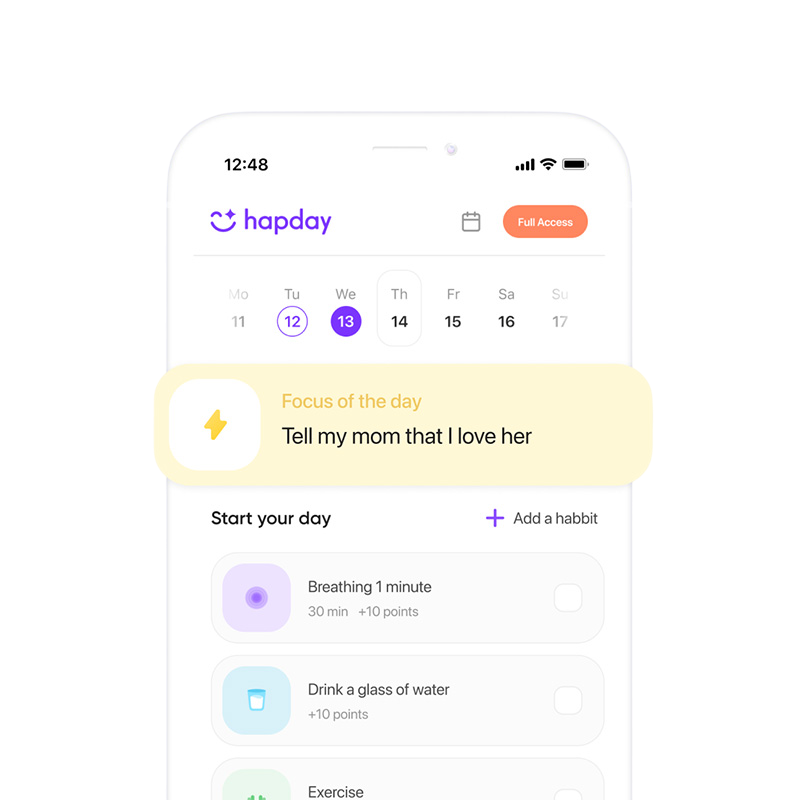
Eager to optimize your life for focus and vigor? Check out Dopy, a dopamine detox app designed to support your quest for equilibrium and clarity. With features like the Pomodoro timer and habit tracking, staying on your reset path becomes attainable.
The Bottom Line
The promise of more profound focus and fulfillment? Completely reachable when approaching dopamine management mindfully. Reclaim your focus, one deliberate digital step at a time.
References
- National Institute of Mental Health
- UCLA Study as cited in The Guardian
- JAMA Psychiatry