


Table of Contents
- Grappling with Overstimulation
- The Dopamine Challenge
- Transitioning to a Calm Living Lifestyle
- Digital Detox: Constrict Screen Exposure
- Mindfulness and Meditation
- Nature Time: Bond with the Outdoors
- Deep Work: Enhance Concentration
- Sound Control: Optimize Your Acoustic Environment
- Steps to Embrace a Calm Living Lifestyle
- Fruits of a Calm Living Lifestyle
- Final Thoughts
Grappling with Overstimulation
Overstimulation happens when the brain’s capacity to process incoming information is exceeded. It’s a precursor to rising stress and anxiety levels — a truth underscored by countless studies. A 2020 research piece from BMC Psychiatry highlighted the alarming intersection of digital media use and heightened anxiety, particularly affecting Gen Z and Millennials. These generations, perpetually engaged with multiple devices, encounter the issue more acutely.
The Dopamine Challenge
A major player in the overstimulation saga? Dopamine. This neurotransmitter influences how we perceive pleasure and reward. Under normal circumstances, dopamine propels motivation. However, digital interactions can co-opt this system, triggering symptoms akin to addiction. Dubbed “dopamine overload,” this state often results in diminished attention spans and impaired focus.
Transitioning to a Calm Living Lifestyle
To foster a calm living lifestyle, practical strategies backed by research become essential. Integrate these components to safeguard your mental health:
Digital Detox: Constrict Screen Exposure
An immediate remedy, the digital detox, acts as a powerful initial step. The American Psychological Association underscores that cutting back on screen time boosts mood, sleep, and productivity. Begin by defining “no-screen” periods, especially before hitting the hay, to assist in rebalancing dopamine levels.
Mindfulness and Meditation
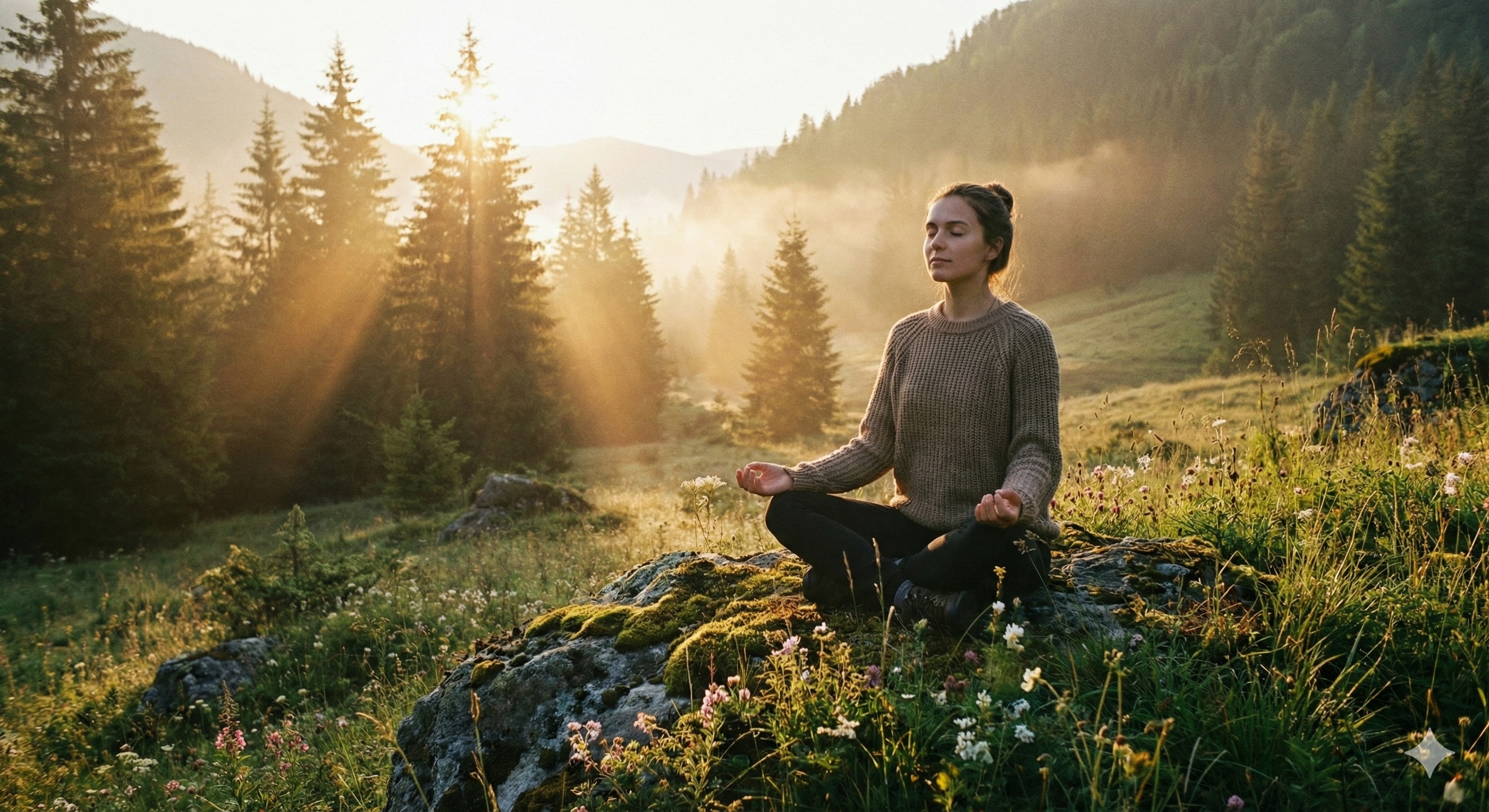
Mindfulness isn’t just a buzzword. It’s an antidote against overstimulation’s effects. A study from JAMA Internal Medicine confirms that mindfulness meditation alleviates anxiety and sharpens concentration. Just 10-15 minutes dedicated daily to meditation can nurture a more serene and attentive life.
Nature Time: Bond with the Outdoors
The healing power of nature can’t be overstated. Insights from Frontiers in Psychology suggest that even brief walks in nature can drastically reduce stress and uplift mood. Try to spend at least half an hour daily outdoors, soaking in nature’s soothing embrace.
Deep Work: Enhance Concentration
In “Deep Work,” Cal Newport emphasizes the virtue of carving out distraction-free time for immersion in work. Allocating such focused intervals enhances both productivity and satisfaction. Tools and apps that block interruptions during these phases can be advantageous.
Sound Control: Optimize Your Acoustic Environment
Noise pollution, though often ignored, fuels overstimulation. Fine-tune your auditory surroundings with noise-canceling headphones or apps delivering calming sounds. The journal Health Psychology illustrates how relaxing music curtails stress and enriches cognitive achievements.
Steps to Embrace a Calm Living Lifestyle
Understanding is merely the starting point; practical application is where transformation occurs. These actionable strategies can help integrate calm living tenets into your routine:
- Craft a Morning Routine: Begin with tranquility-inducing activities — reading, journaling, or yoga. It seeds serenity for the day ahead.
- Sleep Hygiene Matters: Kindling a calm lifestyle leans heavily on restful sleep. Stick to a consistent sleep schedule; create a device-free haven for slumber.
- Favor the Pomodoro Technique: Engage in work sprints, interspersed with pauses. This technique bolsters focus while warding off fatigue.
- Eschew Multitasking: The fallacy of multitasking has been debunked. Findings from the Journal of Experimental Psychology expose its efficiency drain and error escalation. Single-task for superior outcomes.
Fruits of a Calm Living Lifestyle
Switching from a hyper-stimulated life to one of calm living yields an array of advantages. Among them are enhanced mental clarity, heightened focus, and increased happiness. These shifts reverberate across life domains, from occupational success to intimate relationships.
Growth and Well-being
A commitment to calm living elevates personal growth and well-being. As anxiety wanes, you’ll unearth reserves of energy earmarked for pursuits and activities sparking joy and satisfaction.
Final Thoughts
Contemporary life certainly challenges our senses, but embracing a calm living lifestyle opens avenues for regained control, underpinning a healthier, more balanced existence. Taking incremental steps now can lead to profound improvements in concentration, mental sharpness, and overall well-being. So, why wait? Set off on your path to tranquility today—sidestep the quagmire of overstimulation.
—
Eager to dive into a calmer way of living? Unlock easy, science-supported strategies now and reimagine your lifestyle. Our site has resources and support from seasoned professionals!
References:
- BMC Psychiatry Study, 2020.
- JAMA Internal Medicine on Mindfulness.
- Frontiers in Psychology Insights.
- Health Psychology on the Role of Music.