



Table of Contents
- Digital Detox Tip #1: Establish Technology-Free Zones
- Digital Detox Tip #2: Schedule Screen Time Sessions
- Digital Detox Tip #3: Practice Mindful Consumption
- Digital Detox Tip #4: Invest in Non-Digital Hobbies
- Digital Detox Tip #5: Leverage Technology to Encourage Breaks
- The Science Behind the Screens
- Your Path to a Lighter Digital Load
As the golden leaves of autumn began to fall, Emily found herself seated at her kitchen table, her trusty laptop open and a freshly brewed coffee steaming beside her. Yet beneath this scene of morning routine lay a familiar dread—a gnawing realization that her days were vanishing into the abyss of digital chaos. Work emails morphed seamlessly into social media, blurring every boundary that once made sense in her world. Would she ever break free from this cycle of screens? Or was she destined to remain a mere click away from the next notification, forever chasing the next distraction?
Emily’s story resonates with so many of us today. The lure of a digital detox isn’t just intriguing; it’s becoming more of a necessity than ever before. This shift isn’t merely cosmetic—it’s deeply altering the way we interact, work, and unwind. Back in 2019, a thorough examination by the Pew Research Center discovered that almost a third of adults admitted to being “almost constantly” online. Add to that the wealth of studies linking excessive screen time to heightened anxiety, disturbed sleep cycles, and impaired attention spans, and the case for powering down becomes even more compelling.
Digital Detox Tip #1: Establish Technology-Free Zones
Consider this: a home where certain areas act as sanctuaries from the pixelated world.
“Creating such tech-free zones can slay excess screen time and boost mental health in tandem.”
— Dr. Alan Grant, Stanford University
According to Dr. Grant’s research, enveloping ourselves in device-free spaces cultivates a haven for our perpetually buzzing brains.
To dive into this, start modest. Dedicate intimate spaces like your dining room or quiet bedroom as sacred tech-free zones. Rediscover the simple joy of reading a book, strumming a forgotten guitar, or enjoying uninterrupted meals. By physically delineating your digital boundaries, you allow your mind the space it craves, away from the relentless call of the screen.
Digital Detox Tip #2: Schedule Screen Time Sessions
Meet Maya, a vibrant 28-year-old who reclaimed her life by scheduling her screen time. In the wake of a painful divorce, Maya found a crutch in her phone—an emotional escape. But setting intentional screen boundaries—these crafted windows of device use—was her liferaft.
“Scheduling screen time transforms aimless scrolling into a purpose-driven endeavor.”
— Dr. Sarah Chen, Clinical Psychologist
Just like slotting in that yoga class or business meeting, draping your digital deeds in structure can ward off aimless immersion. Our minds naturally gravitate to routine—it’s less taxing than the constant war for attention. By knowing there’s a set time for digital dives, you’re less tempted to touch that scroll button at random.
Digital Detox Tip #3: Practice Mindful Consumption
What if every digital action wasn’t frenetic but serene? Embracing mindful consumption turns every swipe into a deliberate act—transitioning from screen servitude to intentional use.
Harvard Health bustles with research asserting mindfulness can shrink the brain’s stress-ridden amygdala. Intentional digital interaction can transform your emotional landscape, inviting peace and focus. Digital journaling can chart this journey. By jotting down media interactions and their emotional tug, patterns emerge. Suddenly, what once was overwhelming becomes a puzzle ready to be solved.
Digital Detox Tip #4: Invest in Non-Digital Hobbies
Emily—the same Emily—found solace beyond the screen. As she delved into the verdant world of gardening, she rediscovered tranquility. Doing things that bypass the screen aren’t merely enjoyable; they’re neural nourishment.
“Hobbies employing sight, touch, and movement reroute our neural pathways.”
— Dr. Rebecca Stein, Occupational Agility Expert
Whether it’s sketching, a hike, or an hour’s yoga session, these activities present a harmonious blend—offering dopamine akin to a screen, but wrapped in touch and reality.
Digital Detox Tip #5: Leverage Technology to Encourage Breaks
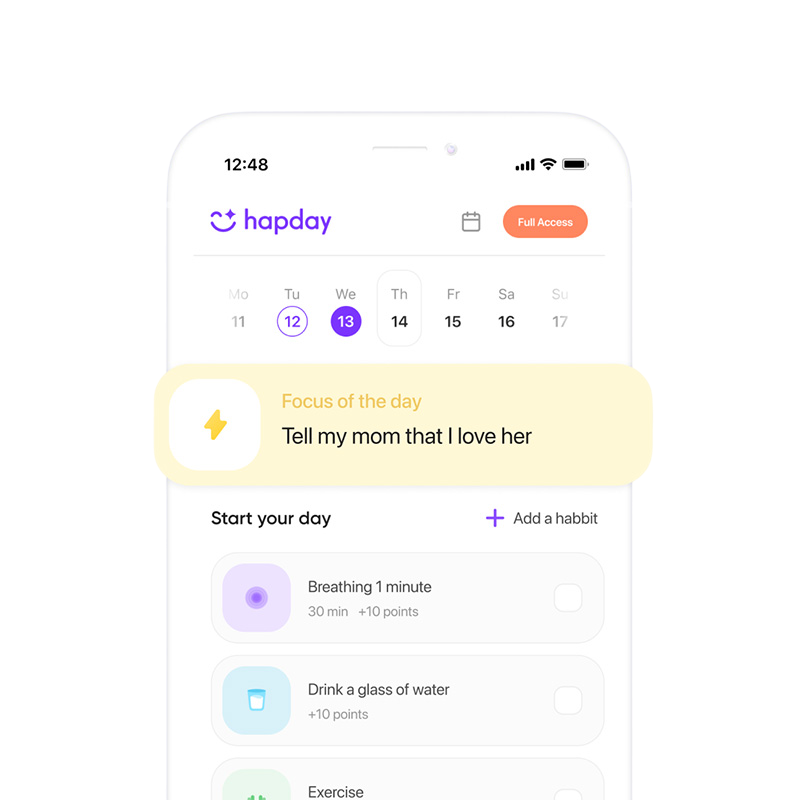
Ironically, digital tools themselves can aid in breaking free. Apps built for concentration and time management assist greatly on the trek to digital detoxification. When aptly harnessed, technology can be a stalwart ally, not a siren tempting you into the digital deep.
Enter focus apps like Dopy—a platform dedicated to managing screen time. Pomodoro timers, habit tracking, clever nudges. These can cleverly insert pauses, allowing you to intersperse focus with freedom.
The Science Behind the Screens
Science consistently underlines the perks of deliberate digital pauses. Bolstering mental clarity, emotional balance, and cognitive finesse are just the tip of this iceberg. The ceaseless inflow of stimuli isn’t a natural state. We need reprieves, say studies, like those from the American Psychological Association, to thrive in our caffeine-lined, fast-paced world.
Your Path to a Lighter Digital Load
Feel the tug of Emily’s plight? You’re among allies in this overload era. But within you lies the power to reclaim focus and peace. Rise to the challenge—incrementally introduce these tips into your life. Little habits lead to significant transformations.
In this grand quest for balance, pacing isn’t about perfection—it’s about progress. This journey isn’t just about discarding devices; it’s about recalibrating the balance of your days. So, embrace your journey toward a fulfilling digital detox. The world is there for you to connect with, beyond the glow of your screen.
Key Takeaways
- Establish technology-free zones in your home for mental clarity.
- Schedule your screen time to create intentional boundaries.
- Practice mindful consumption to enhance digital interactions.
- Invest in hobbies that encourage physical engagement.
- Utilize apps that help manage and limit screen time effectively.
The Bottom Line
Taking control of your screen time is essential for mental and emotional well-being. By implementing these strategies, you can reclaim your life from digital distractions and find a healthier balance between the online and offline worlds.