



Table of Contents
- The Science of Overstimulation
- Why Focus Matters
- How to Start a Digital Detox
- Technology That Aids in Digital Detox
- Small Steps to a Big Change
- The Empowering Future
Picture this: you’re nestled in a cozy corner of your favorite coffee shop, basking in the soothing aroma of freshly ground coffee. Just as you’re about to immerse yourself in a captivating book or an exciting project, your concentration is hijacked. It’s that irresistible tug from your smartphone—a tweet here, an Instagram like there, yet another news alert that makes focus feel like a distant dream. Who hasn’t been there?
This, my fellow screen slaves, is the modern conundrum. Digital distractions nibble away at the edges of our focus, leaving our minds in tatters. If the incessant buzz of technology leaves you feeling dizzy, you aren’t alone. Back in 2021, Common Sense Media found that teens and young adults were checking their phones as many as 150 times a day. It’s alarming, right?
“The relentless digital stimuli we’re exposed to drain our mental energy and fray our attention spans.”
— Dr. Sarah Chen, Clinical Psychologist at NYU
It’s not just about embracing a trend; digital detoxes have become essential solutions. They’re the reset button for our frazzled minds, helping restore the natural equilibrium of dopamine—the brain’s pleasure and reward neurotransmitter. Why is this so critical? Let’s dive into the importance of these detoxes and how to embark on one—without feeling like you’ve gone cold turkey.
The Science of Overstimulation
Overstimulation isn’t just another trendy term thrown around. It’s your brain’s legitimate response to constant digital distractions. According to the American Psychological Association, an endless stream of notifications heightens cortisol, the stress hormone, leaving us more anxious. It’s like living in a state of perennial alertness, which cripples our ability to focus.
“When you’re forever chasing after digital notifications, exhaustion isn’t the only result. You end up distracted and scatterbrained.”
— Dr. David Levy, Expert in Information Overload at the University of Washington
Our brains are programmed to seek novelty—a trait once crucial for survival. But today, the internet exploits this curiosity with never-ending swathes of content, pushing us into overdrive and sapping our productivity. It’s akin to a sugar rush, triggering dopamine spikes much like any addictive substance does.
Why Focus Matters
Think about Maya, a 28-year-old who found a sanctuary in art after a rough divorce. Her creative refuge, however, was constantly disrupted by the siren call of digital notifications. Could this be someone you know? Regaining the ability to focus—the kind that fuels creativity—is crucial. It not only feeds professional achievements but also personal satisfaction.
Cal Newport, a professor at Georgetown and the author of “Deep Work,” argues that focus is a rare superpower in our chaotic world. Those who master this skill often find themselves reaping the benefits of enriched productivity and a sense of deeply rooted fulfillment.
How to Start a Digital Detox
Feeling a bit queasy at the thought of unplugging? Follow these steps to ease into a digital detox:
- Establish Clear Boundaries: Dr. Chen advocates for creating tech-free zones, like banning phones from the dinner table or your bed. This helps set physical boundaries between you and the digital chaos.
- Scheduled Breaks: Employ tactics such as the Pomodoro Technique—25 minutes of work, followed by a 5-minute break. Crucially, step away from screens during those breaks. It trains your mind to hold focus and breaks down the grind of monotony.
- Embrace Nature: An NIH study points out that even a brief jaunt in natural settings can lower cortisol and expand attention span. Nature, it seems, offers our minds a break from overstimulation.
- Tame Notifications: The Mayo Clinic suggests turning off unnecessary notifications to stave off information overload. Tailoring the alerts on your phone could empower you to reclaim your focus.
- Mindfulness Matters: Mindfulness practices, be it meditation or focused breathing, can reshape your brain’s response to distractions. The APA says that regular mindfulness practice can actually remold brain structures linked to attention.
Technology That Aids in Digital Detox
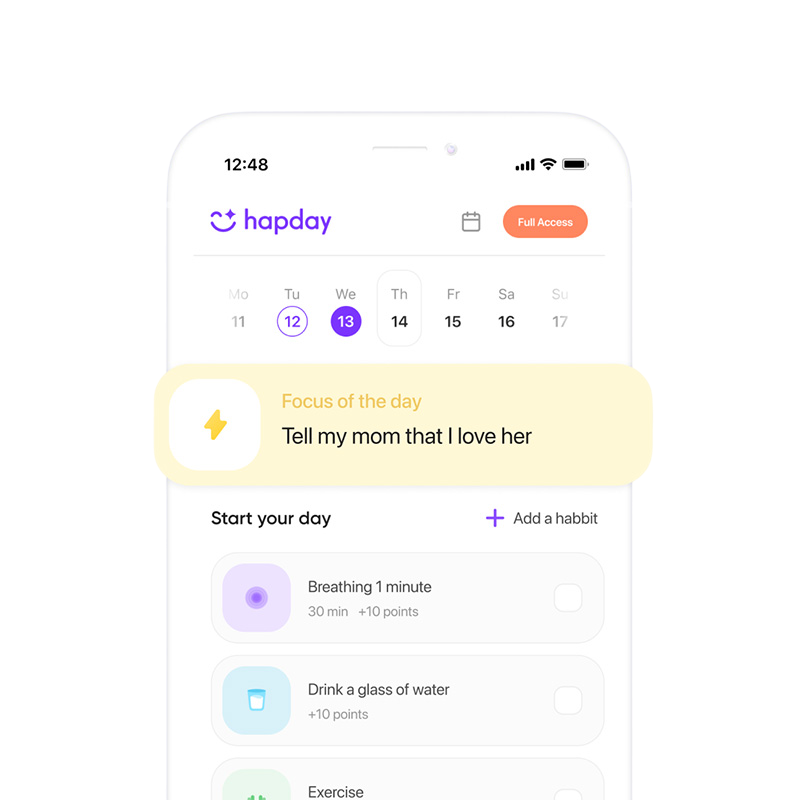
Ironic as it may sound, some apps can actually assist your detox effort by laying down clear boundaries. Start with apps that monitor and limit screen time, like Dopy – Dopamine Detox App. This app is a game-changer, offering Pomodoro timers, habit tracking, and reminders to keep you aligned with your detox ambitions. Curious? Check out more about unlocking its full potential through their page—a simple online search should get you there.
Small Steps to a Big Change
Digital detox isn’t about climbing the unplugged mountain; it’s about mindful digital engagement. John, a UX designer, carved out two hours each evening free of screens, and the results? Profound clarity reclaimed for his creative projects and a mind invigorated, free from the relentless digital pings.
Embrace digital detox with patience—it’s okay to stumble. The aim isn’t flawless disconnection but rather harmonious engagement. Aim for meaningful connection instead of endless scrolling, and prefer a concentrated work session over aimless surfing.
The Empowering Future
As you experiment with digital detox strategies, picture the revitalized version of yourself—empowered by the clarity and focus that come with treating attention as a precious asset. You’re not alone in this journey.
Key Takeaways
- Digital detoxes help restore focus by reducing overstimulation from technology.
- Creating tech-free zones and scheduled breaks can enhance concentration.
- Mindfulness practices can reshape your brain’s response to distractions.
- Apps like Dopy can aid in managing screen time and reinforcing digital boundaries.
- Starting small and being consistent is crucial for a successful digital detox.
The Bottom Line
Digital detoxing is a journey toward reclaiming your focus and productivity. By setting clear boundaries, embracing nature, and practicing mindfulness, you can break free from the grasp of digital distractions. The key is consistency and mindful engagement with technology to foster a more fulfilling and focused life.
References:
- American Psychological Association
- Common Sense Media
- National Institutes of Health
- Mayo Clinic