



Table of Contents
- The Digital Lure: A Personal Journey
- Understanding Screen Addiction
- The Science Behind Digital Detox
- Crafting Your Personal Digital Detox Plan
- Mindful Practices to Incorporate Daily
- Embrace Technology for Mindfulness
- Overcoming Digital Detox Struggles
- Looking Ahead: A Balanced Digital Life
Key Takeaways
- Digital detoxification is essential for mental clarity and well-being.
- Screen addiction parallels substance dependencies, impacting our brain’s reward system.
- Gradually reducing screen time and engaging in real-world activities helps restore balance.
- Mindful practices and technology can coexist in a healthier digital relationship.
The Digital Lure: A Personal Journey
Take Maya, 28 years old, who found herself leaning on her smartphone after her divorce. In a world that felt heavy with solitude, Instagram and TikTok became her escape. But soon enough, they left her feeling anxious and startlingly alone. Can you relate? For many of us, screens have morphed into extensions of ourselves.
“Each notification gives us a little hit of dopamine, that ‘feel-good’ hormone, sparking a kind of addiction,”
— Dr. Sarah Chen, Clinical Psychologist, NYU
It’s hardly a trend; for many, digital detoxing is a dire need for mental clarity and well-being.
Understanding Screen Addiction
Screen addiction isn’t just about too much phone time. It’s about the relentless urge to check and recheck, often costing us real human connections and inner peace. In a 2021 Pew Research study, 46% of people admitted they cannot live without their smartphones.
“Scrolling through apps is a gamble—always on the hunt for information or a social hit.”
— Dr. Michael Burns, Neuroscientist
These digital cravings latch onto the same brain circuits triggered by substances like alcohol or drugs.
The Science Behind Digital Detox
Digital detoxes aim to reset our cognitive circuits. Linda Stone, a psychologist, brought the term “continuous partial attention” into light, describing our constantly divided focus due to digital disturbances. No wonder it’s so draining. By mindfully reducing screen time, we don’t just lighten our cognitive load; we also enhance core functions like memory and concentration. The American Psychological Association revealed that cutting back on screen time correlates with better mental health outcomes.
Crafting Your Personal Digital Detox Plan
- Start Small: Recognize your patterns. Acknowledge the triggers that make you reach for your phone. Is it boredom or anxiety? Awareness is your compass. Take tiny steps—track your screen habits using monitoring apps.
- Gradually Reduce Screen Time: Forget about quitting cold turkey. Easing off slowly is more realistic. Perhaps begin with brief, screen-free moments at dinner or before bed. Advice from the National Institutes of Health suggests a gradual reduction to dodge those overwhelming withdrawal pangs.
- Replace Habits with Real World Engagements: Swap digital leisure for real-world activities—read, meditate, take strolls. Maya, for instance, found joy in art classes instead of social media scrolling. This act not only scored her a new skill but softened her loneliness as well.
Mindful Practices to Incorporate Daily
- Scheduled Screen Time: Create boundaries by scheduling screen use. Set start and stop alarms for device use, taking back control of your digital diet. This routine brings intentionality to each swipe and tap.
- Device-Free Zones: Designate parts of your home—like the dining table or bedroom—as no-device zones. These boundaries nurture connections and mindfulness in non-digital endeavors.
- Digital Sabbath: Once a week, unplug fully. Make Sunday a tech-free feast or enjoy a nature hike on a Saturday. These intervals refresh your senses.
Embrace Technology for Mindfulness
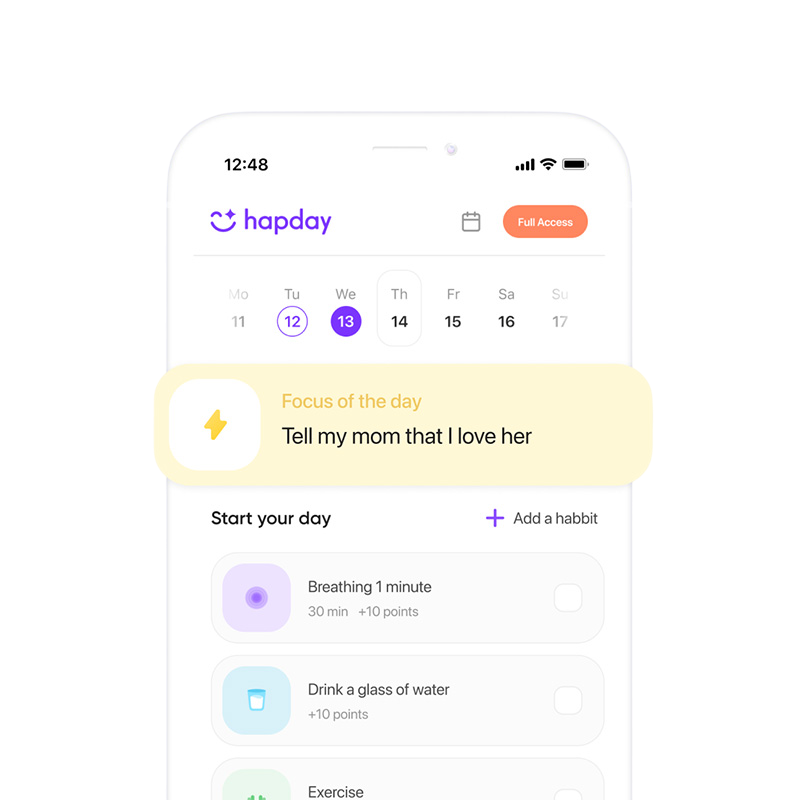
Oddly enough, tech can help you detox. Mindful apps nudge you towards breaks and offer calming exercises, transforming your digital tools into allies, not adversaries. Besides Dopy, platforms like Forest and Headspace can be part of your unplugging routine.
Overcoming Digital Detox Struggles
- Handling Withdrawal Symptoms: Withdrawal might bring irritability or FOMO—fear of missing out. Understanding these feelings are fleeting helps you push through. Join peer groups for a supportive community vibe.
- Consistency is Key: Like building muscle, detoxing thrives on consistency. Keep a journal to track your mood swings and focus levels. Reflect on setbacks and victories for ongoing motivation.
Looking Ahead: A Balanced Digital Life
Picture a world where technology enriches more than it distracts. Where it remains a tool to educate, connect, and simplify. Maya’s path from digital dependency to mindful engagement revamped her digital tango. Mornings now include yoga, not notifications, setting a peaceful tone for her day.
The Bottom Line
As you start your own digital detox journey, remember, the aim isn’t to shun technology but to harmonize with it. Disconnecting means tuning back into life’s simpler rhythms—could you do that? Choose to unplug, one mindful decision at a time.