

Imagine this: It’s a leisurely Sunday morning. Golden rays of sunshine are slipping through the curtains, beckoning you to experience the world outside. But instead of savoring this picturesque moment, your eyes are drawn to the infinite scroll of your smartphone screen. Hours dissolve in the vortex of social media, leaving you saturated yet oddly void. Sound all too familiar? You’re certainly not alone. Shockingly, the typical American logs over seven hours a day glued to screens, and the consequences of this screen saturation are manifesting in our mental—and yes, even physical—well-being. Is the solution to this digital blight found in a digital detox?
Contrary to the fleeting idea of a digital detox as a short-lived digital cleanse verging on faddish, it is rather a transformative lifestyle shift. It seeks to restore balance and sharpen focus in our persistently connected lives. This guide may be exactly what you need if you’re feeling frazzled, anxious, or simply buried under the avalanche of constant screen exposure.
Table of Contents
- Peeling Back the Digital Dilemma
- The Toll of Screen Saturation
- Starting Your Digital Detox
- Understanding Mindful Reduction
- Navigating Digital Hurdles
- Committing to a Lifestyle Shift
- Moving Forward with Purpose
Key Takeaways
- Understanding your digital habits is essential for a successful detox.
- Creating tech-free zones can enhance relationships and improve focus.
- Mindful reduction challenges your brain to adapt and thrive without screens.
- Replacing screen time with fulfilling activities can restore joy and creativity.
Peeling Back the Digital Dilemma
Before diving headlong into a digital detox, it’s critical to understand why screens wield such magnetism over our minds. According to Dr. Sarah Chen, a clinical psychologist at NYU,
“Screens activate our brain’s reward centers by offering a ceaseless array of fresh information, variety, and the seductive draw of social validation—all of which release dopamine, the ‘feel-good’ neurotransmitter.”
— Dr. Sarah Chen, Clinical Psychologist
It’s this relentless pursuit of dopamine that traps us in a compulsive loop, blending productivity and distraction into one confusing modus operandi.
Maya, a marketing director who’s 28 and has seen it all, lived this firsthand.
“I was tethered online for work, falling into the habit of checking emails and social media well into the evening until I was simply exhausted.”
— Maya, Marketing Director
Her experience reflects a broader theme among Millennials and Gen Z, where personal and professional spheres collide in the digital ether.
The Toll of Screen Saturation
It’s not just about mental fatigue; prolonged screen exposure has physical repercussions. The American Optometric Association calls it Computer Vision Syndrome (CVS), complete with eye strain, headaches, and blurred vision, directly tied to extensive screen time. Plus, screens’ blue light disrupts sleep cycles, muddling melatonin production—effectively sabotaging the quality rest we crave. Some call this condition “retinal burnout.”
Then there’s dopamine’s destabilization. Overstimulating our neural reward pathways desensitizes us to simpler joys, like reading or walking, making them seem unremarkable. This blunting can drain joy from offline pleasures and shred our attention spans into bits of “attention residue,” thinning our focus and cutting into productivity.
Starting Your Digital Detox
Embarking on a digital detox doesn’t equate to abandoning your gadgets into oblivion. Rather, it’s about nurturing thoughtful tech habits—carving out space for richer, more tactile experiences. Here’s your roadmap to begin:
- Analyze Your Patterns
Grasping your digital habits is fundamental to dismantling them. Keep a tech diary for a week. Jot down screen time specifics, noticing when and why digital devices lure you. Is it boredom? Anxiety? Pinpointing these triggers can reveal opportunities to alter these reflexes. - Designate Tech-Free Zones
Physical boundaries reinforce digital detox. For instance, make your bedroom off-limits for gadgets to enhance sleep. Dedicate meal times to family and friends, banishing phones to foster real connections. Such no-screen practices nurture more genuine interactions and curb those compulsive tech check-ins. - Use Technology with Intent
Reducing digital noise means valuing quality over quantity in digital content consumption. Carve out designated windows for email or social media, and honor them. Pomodoro timers can segment your screen time into bursts of focused use, interspersed with actual breaks. - Seek Alternatives
Limiting screen time can be easier by replacing it with other fulfilling pursuits. Whether it’s sketching, journaling, or diving into podcasts, these outlets can nurture creativity. Physical endeavors like yoga or daily walks naturally boost dopamine through endorphins—dopamine’s upbeat sibling.
Gardening became Maya’s sanctuary:
“Shifting screen hours to something tactile and absorbing transformed my outlook. Simple, tangible activities rekindled my joy.”
— Maya, Marketing Director
Understanding Mindful Reduction
Before plunging into a digital detox, it’s vital to grasp the why behind its efficacy. Our brains flourish on balance, possessing a natural knack for rewiring—a phenomenon dubbed neuroplasticity.
Reliance on digital devices creates neural tracks that normalize these behaviors. Yet, when we consciously reduce screen exposure and foster new activities, the brain’s adaptive prowess kicks in, effectively “rewiring” itself for improved function.
“Reducing screen exposure mindfully not only alleviates neural pressure but also enhances cognition—memory, and learning, proving our brains find enormous benefits in varied, less screen-dependent stimuli.”
— Professor Lars Wallsten, Harvard University
Navigating Digital Hurdles
The trek toward digital balance isn’t void of challenges. You might experience “FOMO” when disconnecting from social media—it’s natural. Remember, offline connections and interests satisfy in ways digital interactions never quite match, offering deeper fulfillment and well-being.
Mindfulness exercises like meditation can fine-tune your focus, alleviate stress, and anchor you in the present. As Maya attests,
“Embracing meditation brought peace, spotlighting the chaos my technology-cluttered thoughts created.”
— Maya, Marketing Director
Committing to a Lifestyle Shift
Success in digital detox lies in a lifestyle transformation rather than a fleeting cleanse. Set grounded goals, review tech habits regularly, and celebrate screen-free milestones to reinforce this shift. The goal isn’t deprivation but wise digital integration.
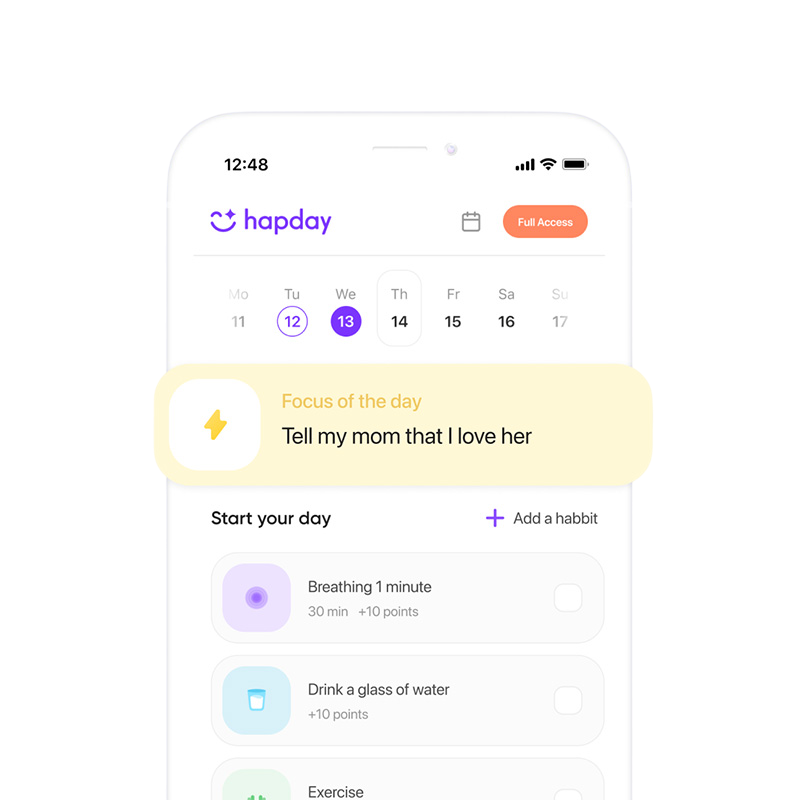
To sustain momentum, consider resources like Dopy – the Dopamine Detox App. This app helps form healthy habits using Pomodoro timers, habit tracking, and intelligent reminders—offering structured support as you detox. You can find it on the App Store.
Moving Forward with Purpose
In an era saturated with screens, a digital detox isn’t just stepping away—it’s courageously opting into simplicity, reclaiming attention in a world awash with distractions. Like Maya, you may find that stepping back fuels your offline passion pursuits, strengthening connections, both within yourself and with those around you.
With determination and proper resources, you can master digital urges, attaining the clarity and intentionality your life deserves. Make your screen times deliberate, your center deep, and your life vibrantly real. Embark on your digital detox journey—the inaugural step to a life that values mindfulness and equilibrium.
The Bottom Line
In a world that’s constantly buzzing with notifications and distractions, taking the time to detox from digital devices can restore balance and enhance your overall well-being. By implementing mindful practices and fostering genuine connections, you’ll find that life beyond the screen is richer and more fulfilling.
References
- American Optometric Association
- Harvard University