



Table of Contents
- Unraveling the Dopamine Overload
- Why Bother with a Dopamine Reset?
- Strategies to Hit Reset on Dopamine
- Disconnect and Ground Yourself in Reality
- Encourage Deep Work
- Embrace Mindfulness and Meditation
- Revamp with a Reward Chart
- Relish Boredom
- Engage with Exercise and Nature
- Your Journey Toward Reset
- Commence Your Clarity Quest Today
- The Bottom Line
- References
Unraveling the Dopamine Overload
Take Maya, for instance—a 28-year-old who, following a tough split, turned to her smartphone as a lifebelt for connection. She fell into endless scrolls down Instagram, gorged on YouTube content, and thumbed through her news feed without pause. It offered temporary refuge, sure, but left her floundering at work, her focus shot even during crucial meetings. This wasn’t solely due to emotional upheaval; a biochemical disruption was at play—dopamine overload.
“Our digital behaviors shape the brain’s dopamine release. More exposure to instant rewards leads to increased cravings, making regular tasks seem boring in comparison.”
— Dr. Sarah Chen, Clinical Psychologist, NYU
Your brain becomes akin to someone addicted to “dopamine fast food” when it grows used to high-intensity stimuli. A study in Nature highlights how extended exposure robs us of our ability to focus on life’s quieter, essential tasks. Knowing the science behind dopamine resets gives you a compass to steer your cognitive clarity back into view.
Why Bother with a Dopamine Reset?
Knowing the “why” behind the reset is crucial before diving into the how-tos. Our neural pathways have significantly morphed in the digital age. What once drove our ancestors to find nourishment now keeps us glued to screens, waiting for the next digital delight. Research from a Harvard study indicates that this continuous high-dopamine condition skews the balance between happiness, drive, and focus.
Resetting dopamine doesn’t mean switching it off completely—rather, it’s about adjusting your brain’s response to more meaningful, lasting rewards instead of frequent, transient ones.
“The aim of a dopamine reset isn’t about stripping it away, but relearning. You’re retraining your brain to discover joy in more significant, enduring activities.”
— Dr. Jamie Goldstein, Researcher, Harvard University
Strategies to Hit Reset on Dopamine
Disconnect and Ground Yourself in Reality
Start by drawing boundaries around your digital consumption—switching off those screens for a stretch, particularly at night or when you need to focus. Remember when Maya started “tech-free Sundays”? She uncovered a local weekend farmer’s market and reoriented her attention from screens to real-life experiences. Reduced exposure to overstimulating content lowers distraction, boosting engagement with the tangible world. The Mayo Clinic vouches for the fact that cutting back screen time can significantly bolster focus and cognitive abilities.
Encourage Deep Work
Minimizing interruptions is not the only aim; cultivate environments that let you plunge deeply into tasks. Dr. Cal Newport, an MIT professor and author of “Deep Work,” argues that unwavering focus leads to remarkable productivity and fulfillment. Dedicate blocks of time without interruption, carve out a workspace devoid of notifications, and you’ll find your concentration becoming both sharper and more enduring.
Embrace Mindfulness and Meditation
If you’re thinking, “Meditation’s not my thing,” pause for a moment to consider this: mindfulness tasks are brain exercises too. They tune your focus, easing your distraction response, according to research out of UCLA. Start with short sessions, maybe five minutes of daily practice, and gradually up it. Maya found herself calmer and more focused at work after adding mindfulness into her routine. Guided apps or simple breathing techniques can be your gateway.
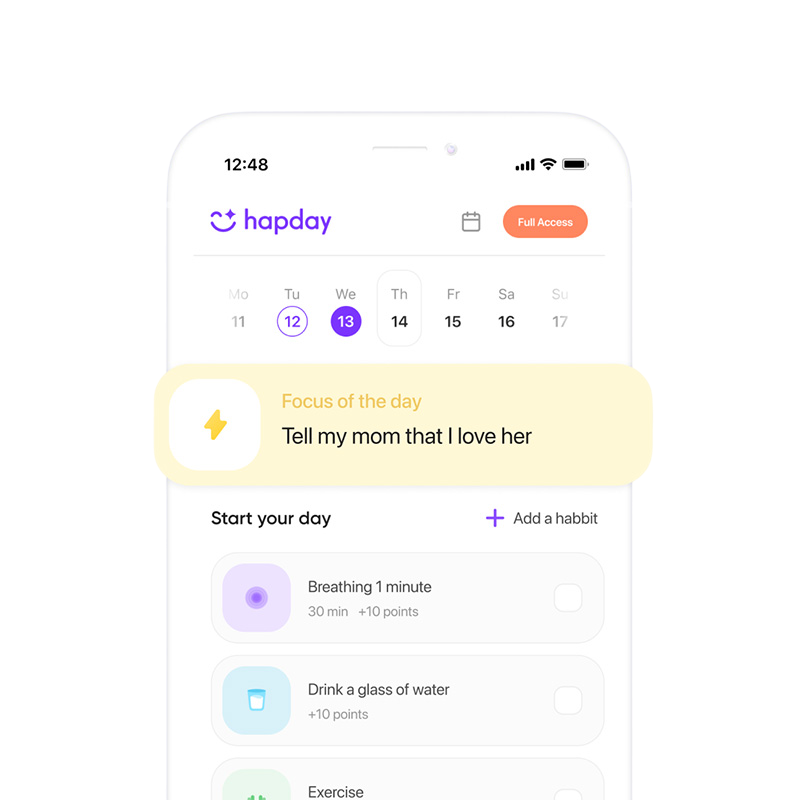
Revamp with a Reward Chart
Creating a visual tally for achievements may sound basic, but it can recondition those dopamine circuits. Develop a chart that tracks tangible rewards for completed tasks—whether finishing a book, learning a new skill, or maintaining focus. Watching your progress unfold feeds satisfaction from more substantive, delayed achievements.
Relish Boredom
Yes, boredom deserves its own spotlight! It forms the mental void where creativity blooms. Allowing your mind to roam without stimuli acts like pressing a refresh button on your mind. Stanford University experts note that routine bouts of idleness recalibrate dopamine and stimulate both creativity and problem-solving.
Engage with Exercise and Nature
This is a no-brainer—the benefits here are boundless. Physical activity releases a steady flow of endorphins and natural dopamine, improving mood and focus in a lasting way, backed by the CDC. Whether it’s a brisk morning run or a gentle evening stroll, your brain craves this natural kick. Additionally, even just 20 minutes a day surrounded by nature decreases cortisol levels and enhances cognitive functioning, as reported by a study from the University of Essex.
Your Journey Toward Reset
Embarking on a dopamine reset calls for deliberate dedication. It’s not about quick wins but fostering gradual change. Visualize it as akin to building muscle—consistent effort yields lasting results. The idea might be daunting, but envision the mental clarity you stand to gain, and let that prospect inspire you.
By putting these strategies into play, you pivot from being reactive to proactive, reclaiming both your focus and your mental space from dizzying overstimulation. This journey is unique and adaptable—tailor these methods to your life as Maya did. She found a harmonious balance when she paired digital detoxing with personal reflection.
Commence Your Clarity Quest Today
If everyday life feels like an unending quest for attention, a dopamine reset might just be the unexpected ally you’ve been seeking. Picture entering a flow state at work or deriving greater joy from life’s quieter treasures. Your venture into enhanced focus starts here, with you in command.
For those keen to structure their practices, consider downloading Dopy – Dopamine Detox App—providing a holistic suite with Pomodoro timers, habit tracking, and smart nudges to seamlessly realign your focus. Embark on this reset today to witness tomorrow’s sharpened clarity.
Key Takeaways
- Dopamine overload can disrupt focus amidst overstimulating digital environments.
- A dopamine reset involves retraining your brain to find joy in meaningful, lasting rewards.
- Strategies like disconnecting from screens, practicing mindfulness, and allowing boredom can enhance focus.
- Engaging in regular physical activity and connecting with nature boosts overall cognitive functioning.
- A structured approach to tracking achievements can help in recalibrating dopamine levels.
The Bottom Line
Resetting your dopamine levels is about more than just reducing stimuli; it’s a way to rediscover the joy in focusing on meaningful tasks and experiences. By implementing practical strategies today, you empower yourself to reclaim clarity and productivity in your daily life.
References
- Nature
- Harvard University
- Mayo Clinic
- UCLA
- Stanford University
- CDC
- University of Essex