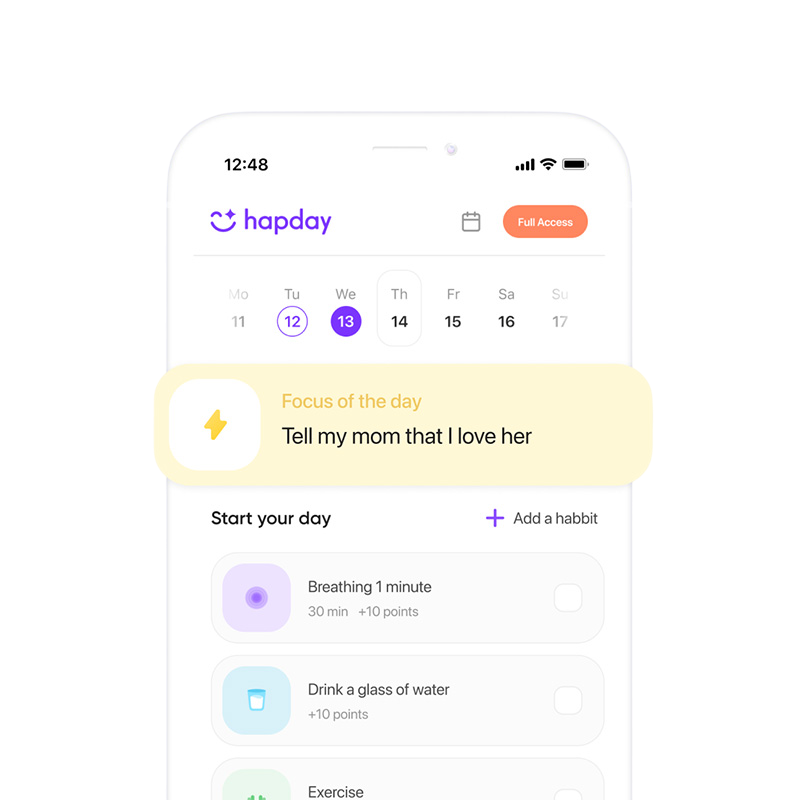




Ever notice how swiftly digital life sneaks up on you? Before coffee even meets your lips, the phone has your attention. If you’re not careful, you find yourself lost in an infinite scroll, eyes glazed over, unaware how a few minutes in bed turned into an hour of mindless browsing. We live in a world where screens are the masters and real, deep focus, often seems like something we’ve misplaced. But the good news? You’re far from being the lone ranger in this digital wilderness. For those longing to reclaim a moment of serenity — a digital detox may just be the sanctuary you seek.
Table of Contents
- The Overstimulated Society
- Why We Need a Digital Detox
- Crafting Your Digital Detox Plan
- Rediscover the Offline World
- From Digital Detox to Digital Mastery
- Take the Leap Towards Better Focus
- The Bottom Line
- References
The Overstimulated Society
It’s hard not to feel overwhelmed these days. Picture Alex, a 27-year-old project manager. By day he excels, but by night, his mind buzzes with unrest — sleep eludes him, focus shatters with each ping of a notification. Sound familiar? In our era, we’re told — as reported by the Pew Research Center back in 2019 — the average person spends over three hours a day glued to their smartphone. This digital siren song might feel irresistible.
A digital detox isn’t just trendy jargon; it’s a remedial measure for overloaded brains. While tech itself isn’t inherently toxic, relying heavily on it showers our minds with constant dopamine highs — akin to excess sugar or caffeine, silently straining our cognitive wiring.
“Our brains aren’t designed for this level of hyper-stimulation without downtime,”
— Dr. Sarah Chen, Clinical Psychologist, NYU
Such overstimulation numbs our capacity to appreciate actual life rewards, fostering a perpetual digital thirst.
Why We Need a Digital Detox
The Mental Health Connection
The numbers are alarming. The American Psychological Association reported how overuse of smartphones correlates with heightened anxiety and depression, especially pronounced in younger folks. The equation is straightforward: notifications release dopamine, making the digital realm both enchanting and destructive to our mental sanctity.
“When your phone demands attention every few minutes, it disrupts deep work and fragments focus,”
— Dr. Paul Mills, Harvard
This hampers our chances to engage in “flow” – that magical zone where great minds unleash their full potential.
Crafting Your Digital Detox Plan
Embarking on a digital detox journey doesn’t mean abandoning all tech. It’s about achieving equilibrium with your digital world. Let’s dive into some strategies.
Start with Smartphone Boundaries
Meet Maya, a 28-year-old freelance writer and recent divorcee. Her reliance on social media took the place of real connection. She decided to create screen-free zones in her day.
“I started by parking my phone in another room during dinner,”
— Maya, Freelance Writer
“It was tough at first, but soon, it felt liberating.”
Why it works: Establishing phone-free times breaks the cycle of dopamine stimulation, like a reset button for your brain — it becomes more attuned to simple joys like reading and exercise.
Integrate Mindful Technology Use
Mindfulness isn’t solely about meditation. Leverage apps that motivate positive digital habits. Try the Pomodoro technique at work: intervals of intense focus with scheduled breaks, filling those breaks with screen-free joy.
Why it works: Aligning with the brain’s rhythm — focus, rest, repeat — mitigates fatigue while boosting productivity. The brain craves these rhythms, fostering sharp focus when active and real tranquility when not.
Declutter Your Digital Space
Have you ever opened your phone only to shut it moments later without achieving much? Digital decluttering combats this by stripping away the surplus apps and silencing irrelevant notifications.
Why it works: Simplifying your digital landscape reduces decision fatigue. Much like a tidy desk invites serious work, a streamlined gadget encourages meaningful interaction and minimizes distraction.
Rediscover the Offline World
Engage in Real-world Activities
Let’s ponder your last uneventful evening. Did it revolve around a screen? Plan endeavors that cultivate genuine connections — be it a coffee date or a neighborly event. Holly, a teacher in her early 30s, swapped screen time for local yoga, realigning her once digitally centered engagements.
Why it works: Real-world mingling boosts oxytocin and serotonin — nature’s happy hormones — enhancing mental sharpness and curbing digital over-reliance.
Nature Breaks as a Digital Detox Tool
According to a 2019 report from the University of Exeter, just two hours weekly amidst nature significantly bolsters health and joy. Screen-free nature excursions not only offer respite but reconnect you to a richer sensory realm.
Why it works: Natural environments dissipate stress and anxiety, thoroughly resetting your sensory system. Gazing upon green vistas revives attentional bandwidth and sharpens cognitive fluidity.
From Digital Detox to Digital Mastery
A meaningful digital detox is akin to mastering your tech life, not shunning it. Through deliberate habits, you improve your tech relations — reclaiming focus, creativity, and that precious mental real estate.
Monitor and Reflect
On this detox venture, amble with reflection. Tools like journaling apps or mood loggers provide insight. This reflection not only tracks progress but reinforces your dedication to mindful tech engagement.
Why it works: Reflection breeds self-awareness, empowering you to identify what’s triggering and adjust strategies, fortifying a digital life of intent over impulse.
Key Takeaways
- Digital detoxing helps regain focus and mental clarity, breaking the dopamine loop.
- Establishing boundaries and integrating mindful technology use can significantly reduce digital overwhelm.
- Engaging in real-world activities enriches life satisfaction and mental well-being.
- Nature breaks serve as powerful tools for reducing stress and enhancing cognitive function.
Take the Leap Towards Better Focus
Envision a life where you govern technology, not the reverse. How liberating does that sound? By weaving these digital detox strategies into your routine, you prioritize mental vitality, paving the way for a fruitful, focused existence.
A digital detox isn’t merely a style shift; it’s a pledge to your well-being, a binding agreement to the self you aspire to become. Embark on this restorative quest and rediscover the art of attentive living.
Ready to kick off your digital detox journey? Download Dopy – Dopamine Detox App and integrate focus with mindfulness. Featuring a Pomodoro timer, habit tracking, and smart alerts, you’ll be poised for success. Explore the app today: Dopy – Dopamine Detox App.
The Bottom Line
Engaging in a digital detox helps reclaim focus and mental clarity. It’s a commitment to better mental health and a healthier relationship with technology, ultimately leading to a more fulfilling life.
References
- Pew Research Center (2019)
- American Psychological Association
- University of Exeter (2019)