



Table of Contents
- Understanding Attention Span Decay
- The Science of Deep Focus
- Strategies for Recovering Your Attention Span
- Real-World Stories: The Power of Deep Focus
- Overcoming Challenges
- Taking Back Control
- The Bottom Line
- References
Key Takeaways
- Deep focus can be reclaimed through intentional strategies in a distraction-filled world.
- Dopamine detox can help reset your brain’s reward system for enhanced productivity.
- The Pomodoro Technique optimizes work intervals to maintain focus and creativity.
- Mindfulness and a curated environment play significant roles in improving concentration.
Understanding Attention Span Decay
Luminous screens, ceaseless notifications—what’s happening to our ability to focus? Well, it seems our brains are constantly playing catch-up. The American Psychological Association notes an increasing vulnerability to distraction amidst endless digital stimuli. Digging deeper, Dr. Sarah Chen from NYU explains that the relentless ping of notifications conditions our brain to almost crave interruptions—resulting in a diminishing attention span.
Here’s a striking thought: According to a late-2010s study by Microsoft, our sustained attention span has whittled down to around eight seconds—yes, roughly the span of a goldfish’s attention! It’s distressing when you consider tasks demanding prolonged focus.
The Science of Deep Focus
Deep focus isn’t just a trendy buzzword; it’s about honing your concentration on one task, minimizing distractions. This links to our brain’s default mode network—pretty essential for tasks like planning and solving problems. Delve deeply into any task, cut through the noise, and suddenly the prefrontal cortex—home to decision-making and attention—kicks into high gear.
Researchers highlight that routine practice of this deep focus nurtures neuroplasticity, which is the brain’s spectacular ability to form new neural connections. This isn’t just mind-bogglingly complex—it means, practically, that with some effort, our brains can reclaim that endurance we all fear we’ve lost over time.
Strategies for Recovering Your Attention Span
1. Embrace the Dopamine Detox
Ah, dopamine—that addictive neurotransmitter that goads us towards more likes, more pings, more distraction. Dive into too much digital media, and you get an overload that makes daily tasks seem, well, dreary by comparison. However, a ‘dopamine detox’ can reset this neural balance.
Take Karen, for example, a 29-year-old software engineer. Her post-pandemic life saw a slump in productivity, thanks to endless screen time. Reclaiming her Sundays for screen-free activities—a bit of reading here, a sprinkle of nature there—gradually helped her regain her mid-week mojo.
2. Implementing the Pomodoro Technique
This one’s an oldie but a goodie. The Pomodoro Technique, brainchild of Francesco Cirillo, prompts focused work spurts—25 minutes “on,” 5 minutes “off.” The idea? Maximize brain efficiency by giving it breathers. Like Dr. David Eagleman, neuroscientist, points out,
“Structured breaks rejuvenate your gray matter, ensuring focus can soar long-term.”
— Dr. David Eagleman, Neuroscientist
How to Start: Set a timer for 25 minutes of immersed work, followed by five minutes to unwind. Rinse and repeat for four rounds, then indulge in a longer break. Apps like Dopy can organize this new routine.
3. Mindful Breathing and Meditation
Enter mindfulness: not just a Zen retreat gig, but a fierce focus builder. Meditation, especially, trains the brain against distraction. One study in Psychological Science even found mindfulness boosts cognitive flexibility and concentration in notable ways.
How to Start: Try dedicating ten minutes to mindful breathing. Sit down, close your eyes, pay attention to your breaths. Wandering thoughts? Gently steer them back to your breathing rhythm.
4. Curate Your Environment
Where we work deeply impacts how we work. A chaotic desk can lead to a chaotic mind—a sentiment echoed by research in the Journal of Neuroscience. Once you’re in a mess, your brain struggles to handle incoming information coherently.
How to Start: Carve out a designated area for focused work. Keep it spartan, distraction-free, orderly. Fiddle with lighting, maybe glimpse some soothing greenery. Clutter-free often equals trouble-free.
Real-World Stories: The Power of Deep Focus
Maya, at the tender age of 28, was drowning amid the turbulent waves following her divorce. Her mind scattered, job performance tanked. Desperately seeking tranquility, Maya dabbled in daily meditation, punctuated with frequent digital sabbaticals. Lo and behold, her focus slowly resurfaced—mental clutter diminished, her presence sharpened.
John—a college student grappling with the juggle of assignments and a part-time job—stands out, too. His epiphany? Discovering the magic of the Pomodoro Technique. Chopping work into bite-sized bouts not only made room for better grades but also granted time for his creativity to flourish.
Overcoming Challenges
Navigating these strategies in today’s hyperconnected world? Hard. But is complete mastery the goal? Hardly. It’s about inching forward. Feel disheartened when distractions overrun? Keep at it. Every slip-up adds to your experience. Experiment! Discover which methods truly resonate with you.
Taking Back Control
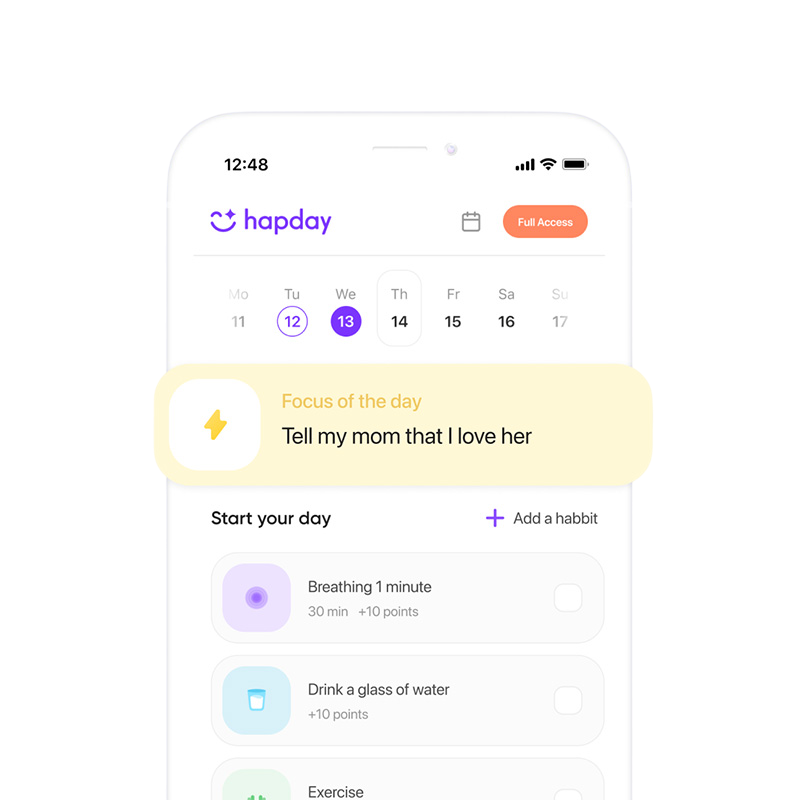
Think of reclaiming deep focus as building a muscle: a demanding task that rewards perseverance. Whether resetting dopamine levels, perfecting work intervals, or sculpting a distraction-free nook, each tweak you make aids in carving out mental peace. The Dopy app offers a sidekick on this journey—a companion in your quest for deep focus, habit tracking, and managed breaks.
Eager to transform your focus? Dive into these strategies; dip your toes in novelty with the Dopy app. Start your dopamine detox journey today and harness the profound force of sustained concentration.
The Bottom Line
Reclaiming deep focus is a journey filled with small, impactful changes. By implementing strategies like dopamine detoxing, structured work intervals, and mindfulness practices, you can gradually enhance your attention span and overall productivity. Remember, this is a process: every step you take towards minimizing distractions is a step towards cultivating the focused life you desire.
References
- American Psychological Association
- Microsoft
- Harvard Health
- NIH
- Psychological Science
- Journal of Neuroscience