


The first three days feel electrifying. You delete TikTok, skip dessert, hide your gaming console, and promise yourself a weekend of quiet. Then Monday hits. You catch yourself doom‑scrolling at lunch, raiding the pantry at 10 p.m., wondering why your “reset” didn’t reset a thing. I’ve lived that whiplash—more than once. Real change rarely collapses because you’re weak. It stalls because the plan ignores how your brain, body, and surroundings actually train attention.
Dopamine fasting is everywhere this year—and yes, it can steady focus and mood—but only when it’s built on science, not self‑denial. Let’s map the stall and show a better route through it.
Table of Contents
- What Dopamine Fasting Is… and Isn’t
- Why Your Progress Plateaus
- Reason 1: You removed the hits, but not the cues
- Reason 2: You went hard… then binged
- Reason 3: Your biology is pulling the strings
- Reason 4: You never filled the void with “tonic dopamine”
- Reason 5: You framed it as punishment, not training
- A Quick Story About a Stall That Turned
- The Science: Why Some Tools Work Instantly
- A Better Dopamine Fasting Plan: The SHIFT Method
- S — Sleep first
- H — Habit‑proof your environment
- I — Input diet, not just digital diet
- F — Focus training, not focus hoping
- T — Tiny joys and real connection
- Your 72‑Hour “Circuit Breaker” Reset
- How to Handle Urges Without White‑Knuckling
- Measure What Matters
- When It’s Not Just You
- If You Need Proof It’s Working
- The Bottom Line
- References
- Summary and Call to Action
Key Takeaways
- Dopamine fasting isn’t “no dopamine”; it’s reducing frequent, high‑intensity rewards so sensitivity normalizes.
- Cues drive cravings. Remove or redesign cues and add friction to break “cue → scroll” loops.
- Fix biology first: sleep, movement, caffeine timing, and stress control make discipline easier.
- Replace spikes with effort‑based, low‑drama rewards—deep work, sunlight, movement, and real connection.
- Build predictable routines and track small reps, not streaks. Consistency beats intensity.
What Dopamine Fasting Is… and Isn’t
Dopamine isn’t a villain to purge. It’s a teaching signal—how the brain tags what’s worth doing again. The National Institute on Drug Abuse describes the reward system as a motivational engine; high‑intensity, repeat rewards can rewrite what we crave and how strongly we pursue it (NIDA). That’s not moral failure. That’s circuitry.
So dopamine fasting isn’t “no dopamine.” It’s dialing down frequent, high‑intensity hits—endless feeds, ultra‑processed snacks, porn, rapid notifications—so sensitivity can normalize and your attention stops living in a slot machine. The term is clumsy, even misleading, but the aim is sound.
Back in 2019, reporters chronicled how Silicon Valley tried “dopamine fasting” weekends like a new juice cleanse; a few founders told me they treated it as a badge, not a practice. My view: the idea helps only if it respects the brain it’s trying to retrain.
“You can’t white‑knuckle your way out of a cue‑triggered loop. If your environment screams reward all day, dopamine fasting feels like trying to meditate in a nightclub.”
— Dr. Sarah Chen, Clinical Psychologist and Founder Coach
Why Your Progress Plateaus
Stalls happen when plans ignore how attention is shaped by cues, biology, and context. Here’s where most resets unwind—and how to fix them.
Reason 1: You removed the hits, but not the cues
You hid the apps, but the cues stayed: the phone within reach, the boredom between meetings, the 3 p.m. energy dip, the YouTube tab “just for music.” Variable‑ratio reinforcement—the same schedule that powers slot machines—makes behaviors stickiest when rewards are unpredictable (APA Dictionary). Your feed, your inbox, even your smartwatch are tiny casinos.
Why this stalls dopamine fasting: every “just check” re‑teaches your brain that cue = possible reward. You’re rehearsing the loop you’re trying to unlearn. If you let a casino live on your desk, it will keep winning.
How to break it:
- Make it harder to “just check.” Bury the cues. Phone lives outside the room during deep work. Social apps off the Home Screen. Use blockers that mute shorts/recommenders during work windows.
- Replace the cue routine, not just the activity. When boredom hits, stand, sip water, three slow breaths—then decide. The pause cuts the cue→scroll reflex.
Reason 2: You went hard… then binged
A 48‑hour sprint can feel saintly. Then one video becomes three hours. That feast‑after‑famine pattern teaches your brain to wait out deprivation. Behavior‑change research prizes consistency over intensity. NIH’s News in Health highlights swapping routines and stacking small, repeated wins, not sweeping bans (NIH News in Health). Extremes are the enemy here.
Why this stalls dopamine fasting: extreme abstinence without replacement builds pressure. The first crack becomes a flood.
How to break it:
- Use ceilings, not bans, for optional pleasures. “15 minutes of social at 7 p.m. with a timer” beats “never again.”
- Pair enjoyments with friction. Stay logged out. Use web versions only. Consume on a laptop at a table, not under a duvet.
Reason 3: Your biology is pulling the strings
Sleep debt, stress, caffeine overload, sedentary days—each one tilts the brain toward quick relief. When you’re underslept or keyed up, screens offer the fastest, cheapest fix. The CDC recommends 7+ hours for adults; less is tied to poorer decision‑making and irritability (CDC). Blue light late can scramble melatonin timing (Harvard Health). Up to 400 mg of caffeine per day is generally safe, but too much—or too late—stokes anxiety and disrupts sleep (Mayo Clinic). Regular movement matters; WHO advises 150–300 minutes of moderate aerobic activity weekly plus strength work (WHO). Biology beats willpower every time.
“When sleep, stress, and movement are off, your brain chases quick dopamine spikes. Fix the biology first, and dopamine fasting suddenly feels doable.”
— Dr. Miguel Alvarez, Cognitive Neuroscientist
How to break it:
- Anchor sleep: same wake‑up time daily, dim screens after sunset, morning light within an hour of waking.
- Cap caffeine by noon; trade the 3 p.m. latte for a 5‑minute brisk walk.
- Front‑load movement: 20 minutes of easy cardio before work does more than another willpower speech.
Reason 4: You never filled the void with “tonic dopamine”
Cut spikes without building a steady baseline and you feel flat. The brain needs low‑drama inputs—sunlight, movement, deep work, conversation—to sustain motivation. Chronic stress, meanwhile, dysregulates attention and mood (NIMH). Breath training helps downshift arousal and hand you back the wheel (Harvard Health). Effort‑based pleasures are underrated.
“Dopamine fasting works only if you add effort‑based pleasures—learning, crafting, exercise, focused work. These don’t ‘spike’ you. They rebuild your baseline.”
— Dr. Priya Nair, Psychiatrist and Program Director for Tech Burnout
How to break it:
- Schedule one “hard, satisfying” hour daily: coding, writing, chess, guitar. Effort is the point.
- Add sunlight + steps: a 10–15 minute daylight walk after lunch steadies mood and sleep.
- Line up low‑stimulation joys: library runs, cooking, call a friend, plant‑care. Make these your default fillers.
Reason 5: You framed it as punishment, not training
“I’m not allowed” breeds rebellion under stress. The American Psychological Association emphasizes reshaping identity and context—tiny, durable actions—over self‑critique (APA). Language is leverage; use it.
Why this stalls dopamine fasting: scarcity invites pushback. Choice creates adherence. Name your goal in words you’re proud to say out loud.
How to break it:
- Rename it: “Attention training” or “signal‑to‑noise reset.” You’re choosing freedom, not losing fun.
- Track reps, not streaks: count “focus blocks completed” and “evening wind‑downs,” not “days without YouTube.”
A Quick Story About a Stall That Turned
When Maya, 28, was moving through a divorce, she tried dopamine fasting to curb late‑night scrolling and snacking. She deleted apps for a week, felt clear, then rebounded hard. We sat with her evenings and mapped cues: loneliness at 9 p.m., bright lights, phone on the pillow, caffeine at 5 p.m., snacks within reach. We rebuilt three things:
- Biology: no caffeine after noon; 20‑minute afternoon walk; lights low after 9; phone charges in the kitchen.
- Replacements: a nightly 30‑minute audiobook plus a brief journal; two texts for real connection.
- Friction: all socials logged out; two‑factor codes in another room; YouTube allowed only on laptop at a desk.
By week three, cravings had softened without heroics. I trusted that change more than any dashboard. It worked because it wasn’t just subtraction—it was redesign.
The Science: Why Some Tools Work Instantly
- Variable rewards vs. predictable routines: Feeds run on variable‑ratio schedules (APA). Predictable routines—same work blocks, same walk time, same wind‑down—lower novelty drive and blunt spikes.
- Cues and rewiring: NIDA shows repeated cue‑reward pairing strengthens “go get it” circuits (NIDA). Break the pairing and the cue loses its bite.
- Sleep as a force multiplier: The CDC’s 7+ hours aren’t just for health; they restore prefrontal control, which makes saying no feel possible (CDC).
- Movement rebalances mood: WHO’s activity range correlates with lower anxiety and steadier energy—urges become manageable (WHO).
- Stress downshifts: NIMH and Harvard describe how basic relaxation cuts physiological arousal, shrinking the “fix this now with a hit” impulse (NIMH; Harvard Health).
A Better Dopamine Fasting Plan: The SHIFT Method
Instead of a 7‑day austerity challenge, use SHIFT. It honors how your brain learns and how your body fuels attention.
S — Sleep first
Why it works: Sleep restores inhibitory control and dampens reward hypersensitivity. Sleep is the quiet superpower here.
How to do it: Pick a non‑negotiable wake time. Get 5–10 minutes of outdoor light in the first hour. Dim screens after sunset; use night shift mode. Keep the bedroom cool, dark, and phone‑free.
Science anchors: CDC sleep guidance; Harvard on blue light.
H — Habit‑proof your environment
Why it works: Cues drive a large share of automatic behavior. No cue, no urge.
How to do it: Phone in a drawer during work blocks. Block infinite‑scroll sites 9–5. Remove snacks from sight. Default phone to grayscale. Turn off all non‑human notifications. Keep a paper book and water within reach.
I — Input diet, not just digital diet
Why it works: What you ingest shapes cravings. Late caffeine, sugar spikes, and rolling news jolts train you to chase more jolts.
How to do it: Cap caffeine by noon and keep under 400 mg daily (Mayo Clinic). Swap afternoon sugar for nuts or yogurt. One news check‑in at a fixed time. Favor long‑form audio that ends—no autoplay.
Science anchors: Mayo Clinic on caffeine.
F — Focus training, not focus hoping
Why it works: The brain learns what it rehearses. Short, frequent deep‑work bouts create a rewarding default.
How to do it: 25–50 minute blocks with a visible timer. One tab, one task, full‑screen. End each block with a 2‑minute note on what moved.
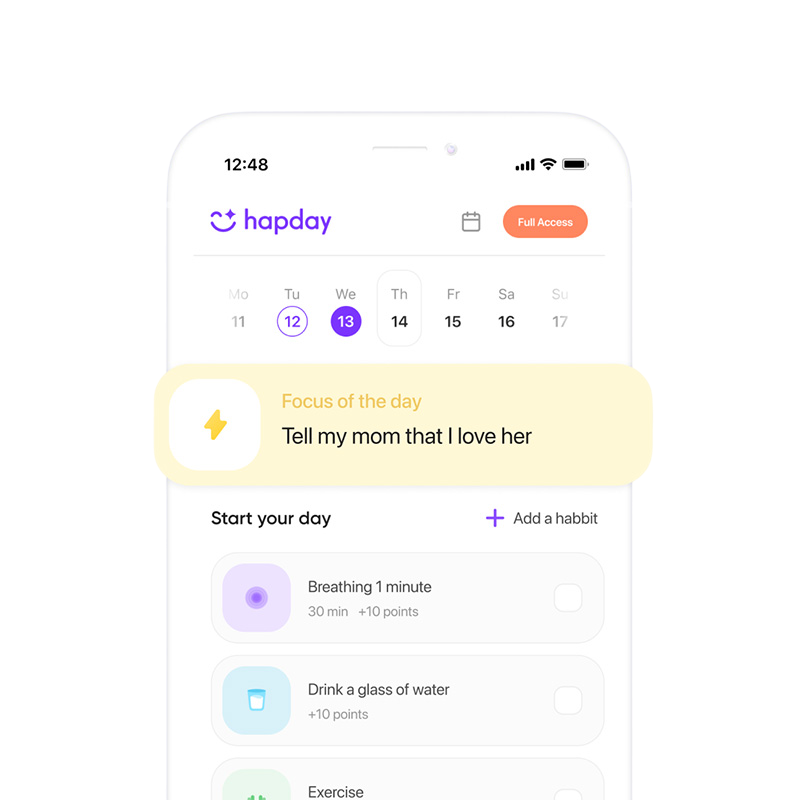
Tip: Reward effort, not outcome. A checkmark per block builds momentum. The tool matters less than the ritual—though a good app helps.
T — Tiny joys and real connection
Why it works: Swapping high‑intensity hits for human connection and embodied activities lifts mood without whiplash. Oxytocin plus movement = steadier motivation.
How to do it: Schedule one micro‑connection daily—a call, a coffee walk, a shared meal. Add a 10‑minute stretch or walk between meetings. Keep a “slow pleasures” list at hand: tea, sketching, tending plants, five mindful breaths.
Your 72‑Hour “Circuit Breaker” Reset
If you’re mid‑stall, run this for three days. It’s not forever; it’s to regain traction.
Morning
- Keep the phone on airplane mode until after your first deep‑work block.
- Step outside for light within 60 minutes of waking.
- Add 20 minutes of easy movement to lift baseline mood.
Workday
- Three focus blocks with blockers on. Phone in another room. Use a real timer.
- Between blocks: three slow breaths, stand up, sip water, 60‑second stretch.
Evening
- One pre‑scheduled 20‑minute entertainment window on a single device with a timer.
- Dim lights after 9 p.m.; no screens in bed. Book or audiobook instead.
- Write one line about what felt good today—that’s your brain’s new “seek this” signal.
How to Handle Urges Without White‑Knuckling
- Urge surfing: set a 90‑second timer. Notice where the urge lives (tight chest, restless hands). Most peaks fade when not fed.
- If/then scripts: “If I reach for the phone during a block, then I put it in the hallway and take three breaths.”
- Temptation bundling: Pair chores with low‑dopamine audio. Laundry + audiobook; dishes + language lesson.
Measure What Matters
You can’t steer what you don’t see. Track:
- Daily screen minutes on your stickiest app
- Number of focus blocks completed
- Bedtime consistency and wake time
- Craving intensity (0–10) before and after a walk, tea, or breathwork
Within a week, you’ll likely see the same pattern I see with readers: better sleep → fewer urges → stronger focus → less need for harsh rules. Sparse, simple metrics can be medicine.
When It’s Not Just You
If urges feel unmanageable—or depression, anxiety, or ADHD are in the frame—ask for help. Structured support accelerates change. The science is on your side: small shifts in sleep, movement, and stress physiology create outsized effects. The goal isn’t monkhood. It’s a life where attention feels spacious and pleasure doesn’t own you.
If You Need Proof It’s Working
- You can leave your phone in the other room for an hour without anxiety.
- Feeds feel boring, not magnetic.
- You remember what you planned—and you do it.
- Evenings are calmer. Sleep arrives sooner.
The Bottom Line
If your dopamine fasting results have stalled, that’s not proof you’re broken. It’s proof your setup is training a different brain than the one you want. Fix sleep first. Strip away cues. Add effort‑based pleasures. Lower the drama. Track the reps. A few quiet weeks from now, you’ll notice the craving volume dropped—and life got louder where it matters.
References
- National Institute on Drug Abuse (NIDA) – The Brain’s Reward System
- American Psychological Association (APA) Dictionary – Variable‑Ratio Schedule
- Centers for Disease Control and Prevention (CDC) – How Much Sleep Do I Need?
- Harvard Health Publishing – Blue light has a dark side
- Mayo Clinic – Caffeine: How much is too much?
- World Health Organization (WHO) – Physical activity
- National Institute of Mental Health (NIMH) – Stress
- Harvard Health Publishing – Relaxation techniques: Breath control helps quench stress response
- NIH News in Health – Breaking Bad Habits
- American Psychological Association – Making Lifestyle Changes That Last
Summary and Call to Action
Dopamine fasting stalls when you pit willpower against biology and ignore cues. Rewire the loop with sleep, friction, movement, breathwork, and effortful joys. Build predictable routines and measure what matters. If you want help turning this into practice, use Dopy’s Pomodoro, habit tracking, and smart reminders to anchor your reset. Bold attention, calm mind. Download Dopy – Dopamine Detox App: https://apps.apple.com/app/dopy-dopamine-detox-app/id6756252987
Try Dopy today and make your dopamine fasting stick.