


Key Takeaways
- Detox tips fail when they ignore dopamine-driven habit loops, sleep/stress biology, and cue-heavy environments.
- Redesign context: change cues, batch notifications, and add friction to mindless checks.
- Swap rewards instead of just removing apps—make the alternative feel good and immediate.
- Protect sleep and stress recovery; tired brains default to fast dopamine.
- Build floors (small, repeatable blocks) before ceilings (ambitious rules) and track simple metrics to sustain change.
Why Your Digital Detox Tips Don’t Stick
Sunday night you delete TikTok, slide your phone under a hardcover, and swear this week will be different. By Tuesday, the apps are back. You rationalize—work, friends, “just five minutes”—and somehow it’s midnight again. I’ve been there, more times than I like to admit. If you’ve tried every digital detox tip and nothing sticks, you’re not broken. You’re using willpower against a system engineered to outlast it—hour after hour, ping after ping.
Here’s the truth: digital detox tips fail when they don’t match the way your brain, your habits, and your environment actually work. This isn’t about shame. It’s about design—neurobiology-level design. My view, after 15 years covering this beat: advice that ignores context sets people up to fail.
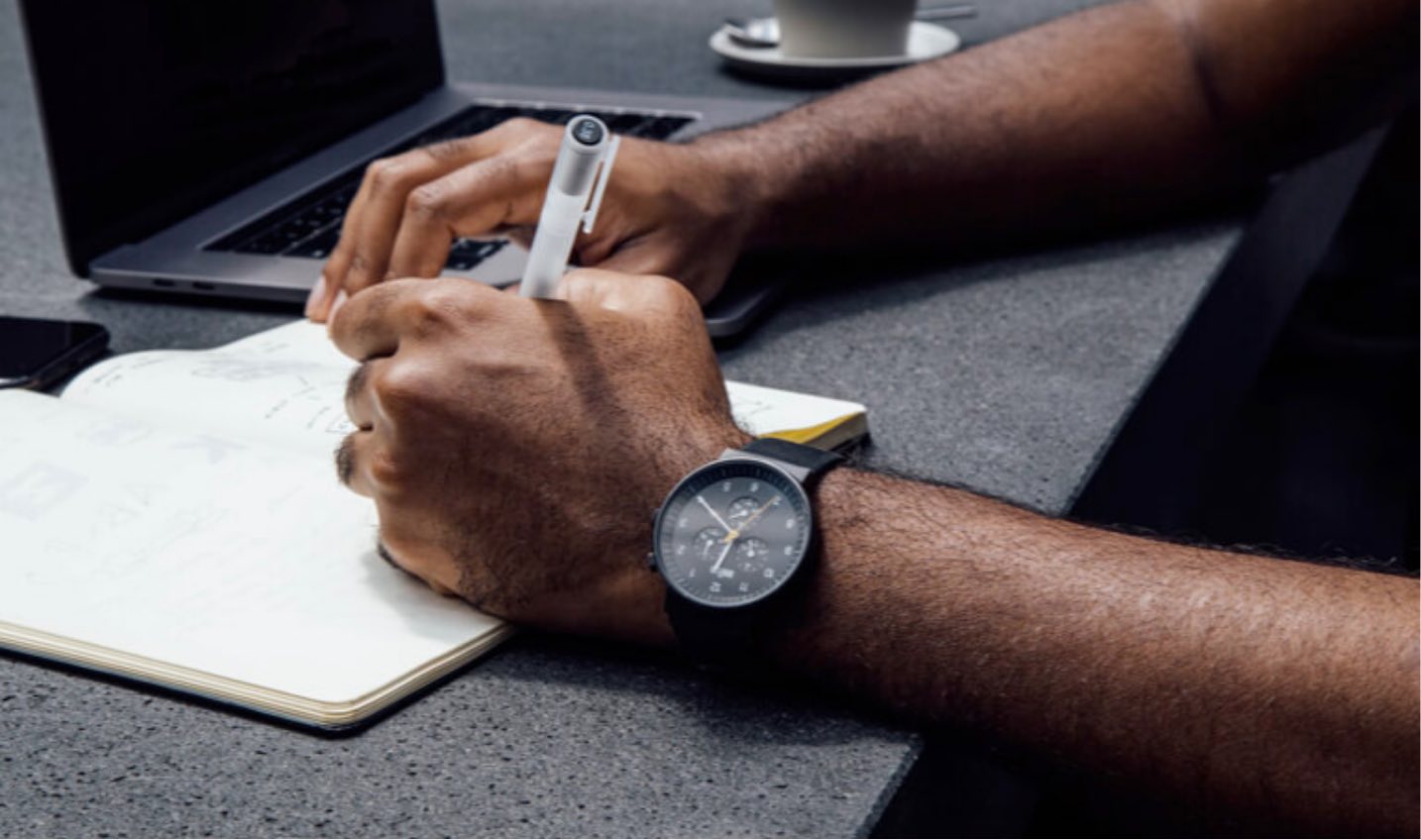
Image: Calm morning desk with a notebook, coffee, and phone face down — digital detox tips in action
The hidden science sabotaging your digital detox tips
Your phone trains your brain with a powerful loop: cue, behavior, reward. That ping? It’s a cue. The scroll? Behavior. The unexpected like, message, or breaking headline? That’s a variable reward—the kind that supercharges learning. The National Institute on Drug Abuse notes that dopamine helps tag behaviors as “worth repeating,” especially when rewards are uncertain and novel, strengthening neural pathways in the brain’s reward circuit over time (NIDA/NIH). You’re not addicted to your phone because you’re weak; you’re in a long-term relationship with a reinforcement schedule. In my opinion, few of us grasp how old that relationship is—designers have leaned on slot-machine logic since at least the early 2010s.
“People come in saying, ‘I tried a 24-hour digital detox and felt amazing—but the next week I was worse.’ It’s not a character flaw. If you change your behavior for a day but leave the cues and the rewards intact, the old habit wins the minute stress or boredom spikes.”
— Dr. Sarah Chen, Clinical Psychologist at NYU
Meanwhile, your attention system gets nicked by constant context switching. The American Psychological Association reports that task-switching carries a measurable “switch cost” and can sap productivity by up to 40% (APA). Every jump—from email to Slack to Reels—reloads your mental state. So when digital detox tips say “just focus,” they’re asking you to swim upstream against biology. Back in 2021, App Annie clocked smartphone use at nearly five hours per day in key markets; The Guardian reported similar trends. The baseline is intense. Pretending otherwise is naïve.
Why willpower-only digital detox tips fail
You don’t have a focus problem; you have a depletion problem. Sleep debt erodes self-control and heightens reactivity. One in three adults don’t get enough sleep, according to the CDC (CDC). Blue light from screens at night suppresses melatonin and shifts circadian rhythm; Harvard researchers found blue light can suppress melatonin twice as much as green light and shift circadian timing by up to three hours (Harvard Health). Now stack chronic stress—APA outlines how stress overloads the body, impairing cognitive control and increasing impulsivity (APA). Put simply: tired, stressed brains reach for fast relief. Guess what’s one tap away. My take: any detox plan that starts at 10 p.m. under cool, bright LEDs is already losing.
When Maya, 28, went through her divorce, she tried classic digital detox tips—deleted apps, locked her phone in a drawer, promised not to scroll after 9 p.m. It worked for three days. Then the insomnia hit. At 1 a.m. she reached for what felt soothing: endless videos. Her detox failed not because she lacked discipline, but because it ignored two drivers—unmet emotional needs and broken sleep. Once she addressed sleep hygiene (phone outside the bedroom, warm light after sunset) and replaced late-night scrolling with a 10-minute breathing track, the habit loosened. I’ve seen this pattern in clinics and in my own home: fix the night, and the day stops crumbling.
Five friction points that quietly kill your progress
-
1) Vague goals, no plan
Why it fails: “Use the phone less” is not a behavior. The brain needs specific cues and actions. Habits thrive on clarity. NIH’s News in Health recommends identifying triggers and planning replacements—abstract goals rarely change loops (NIH News in Health). My view: if you can’t calendar it, you probably won’t do it.
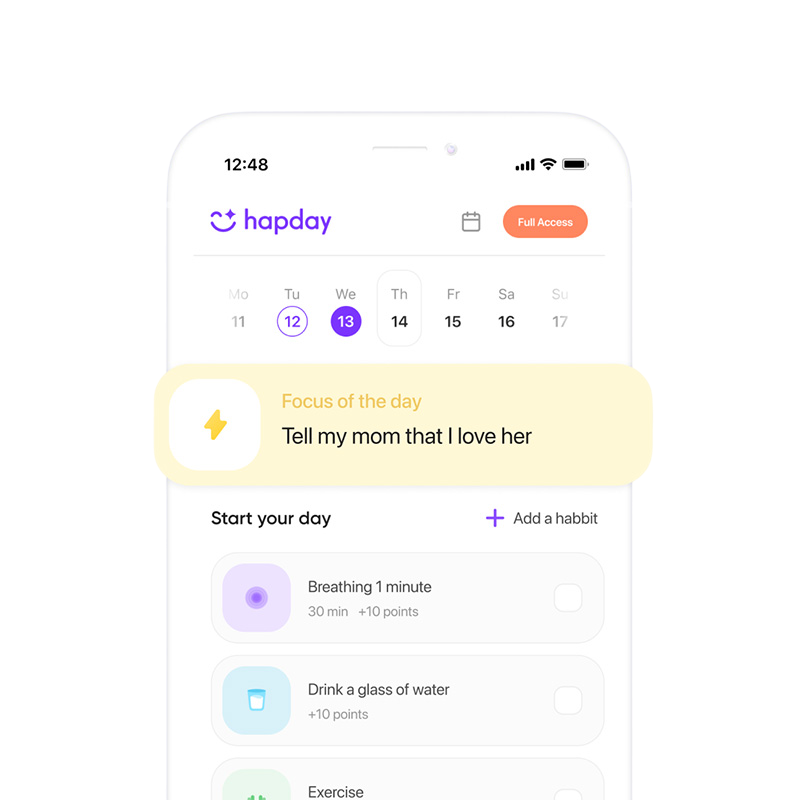
How to fix it: Translate every aim into an if-then plan. If it’s 7–8 a.m., then the phone stays face down while I make coffee and journal. If I want to check socials, then I batch it at 12:30 and 6:30 only. Make the plan visible.
-
2) Same environment, same outcomes
Why it fails: Cues drive behaviors more than intentions. If your phone sleeps on your pillow, you will, eventually, check it at 1 a.m. That blue light will nudge your clock later (Harvard Health), which means you wake foggier and hit the feed earlier. Loop complete. I’d argue the nightstand is the most expensive square foot in your home—guard it.
How to fix it: Relocate the cue. Dock the phone outside the bedroom. Use a $10 alarm clock. Keep chargers outside the kitchen. Put tempting apps in a folder on the second page, or log out daily. Raise friction to the first tap.
-
3) No replacement reward
Why it fails: You remove the scroll but keep the itch—boredom, loneliness, stress. The reward system still expects a hit; without a substitute, you will drift back. Dopamine isn’t just pleasure; it’s motivation and learning (NIDA/NIH). In my reporting, this is the single most overlooked step.
How to fix it: Pair your new behavior with a quick, satisfying reward. After each 25-minute focus sprint, get sunlight, stretch, or sip something you enjoy. Mark a satisfying checkbox. Make the alternative feel good.
-
4) All-or-nothing digital detox tips
Why it fails: A hard 7-day break can feel amazing—and then the rubber band snaps. Without incremental skills (batching, cue management, recovery), you rebound harder and feel worse. I don’t recommend crash cleanses for food or tech.
How to fix it: Build a floor, not a ceiling. Even on bad days, protect 1–2 tech-light blocks: first hour after waking, last hour before bed. Add more only once those are automatic.
-
5) Multitasking and constant alerts
Why it fails: Notifications yank you into micro-tasks that tax working memory. APA highlights the heavy toll of switching: time lost, errors up, stress up (APA). Letting every app interrupt you is like leaving your front door ajar on a windy day.
How to fix it: Silence non-people notifications. Batch email/social twice daily. Turn on Do Not Disturb by default and whitelist essentials. The fewer surprise cues, the less you need heroic self-control.
“Attention is a limited budget. Every unplanned ding is a withdrawal. Digital detox tips that don’t patch the leaks simply ask you to earn more money every day. That’s exhausting.”
— Dr. Miguel Alvarez, Neuroscientist (Attention Research)
Make your digital detox tips stick: design for defaults, not heroics
You can’t out-discipline a high-friction environment. You can redesign it so the right choice is easy and the wrong choice is annoying. Here’s a stickier approach that respects your biology. My bias: boring systems beat inspirational speeches.
-
Step 1: Set a floor, not a finish line
Why it works: Small, repeatable wins wire habits faster than big, erratic ones. Breaking habits relies on interrupting the old cue-behavior-reward sequence consistently (NIH News in Health).
How to do it:
- Morning: 30–60 minutes phone-free. Brew, stretch, sunlight, notebook. Keep phone out of the room.
- Evening: Last 60 minutes screen-light. Dim lights, warm bulbs, paper book. Blue light at night edges your clock later (Harvard Health).
-
Step 2: Change the cues physically
Why it works: Behavior follows context. New context, new default. In practice, inches matter.
How to do it:
- Create tech zones: No phone on the bed, dining table, or in the bathroom.
- Use friction: Log out of the stickiest app nightly; put it on page three; remove the dock icon.
- Add visual prompts for the alternative: Notebook on your pillow; book on the couch; sneakers by the door.
Pro Tip: Keep your phone in another room during deep work. Even a few meters away meaningfully reduces mindless checking. -
Step 3: Swap the reward, don’t remove it
Why it works: Your brain seeks regulation. Replace the relief, not just the routine.
How to do it:
- Build tiny mood lifts into the new loop: a 60-second breath, eye relaxation, or a face splash after each work sprint.
- Track the streak. That little checkmark is a reward. The NIDA explains dopamine helps encode “this action leads to reward”—make the reward obvious (NIDA/NIH).
-
Step 4: Interrupt the variable-reward loop
Why it works: Unpredictable rewards are sticky; predictable windows are boring—in a good way.
How to do it:
- Batch checks: Email at 12 and 4; socials at 1 and 7. Put it in your calendar.
- Turn off preview banners. No headline snippets on your lock screen.
- Use Do Not Disturb by default. Allow calls from Favorites only.
Pro Tip: Use built-in Focus/Do Not Disturb modes (iOS/Android) and deliver notification summaries at set times to keep random pings from hijacking your day. -
Step 5: Align with sleep and stress biology
Why it works: Tired, stressed brains crave fast dopamine. Recovery is a skill, not a luxury.
How to do it:
- Protect sleep: Aim for 7+ hours (CDC). Keep devices out of the bedroom. Follow basic sleep hygiene (Mayo Clinic).
- Move your body: WHO recommends 150–300 minutes of moderate activity weekly for adults (WHO).
- Practice one 10-minute mindfulness block daily. Harvard-linked research shows eight weeks of mindfulness training can change brain regions tied to learning and emotion regulation (Harvard Gazette).
“The hour before bed is the keystone habit. If you protect it from screens, your sleep quality improves, and the next day your self-control improves. Fix the night to fix the day.”
— Dr. Lila Kapoor, Board-Certified Sleep Physician
-
Step 6: Use social proof and precommitment
Why it works: We imitate the people around us and respect our own commitments. Accountability scales faster than motivation.
How to do it:
- Tell one friend your batch times and ask them to join for a week.
- Put your limits in your calendar and share it with your team: “Focused work blocks 9–12; responses at noon.”
- Precommit: During deep work, keep the phone in another room. Even a few meters away reduces mindless checking.
When Jared, 32, a software engineer, tried to “just stop scrolling,” nothing changed. Once he set two non-negotiables—phone in the hallway from 9–12 and a five-minute walk after every code sprint—his mornings shifted. He swapped Slack pings for a batching window, dimmed lights after 9 p.m., and treated sleep like a deliverable. Two weeks later he finished a project he’d procrastinated on for months. I’ve seen similar turnarounds inside newsroom teams during tight deadlines.
Your dopamine system isn’t the enemy
Let’s clear the air: there’s no medical “dopamine detox.” You’re not draining a chemical; you’re retraining loops. Dopamine teaches your brain what to seek and repeat, especially when rewards are uncertain (NIDA/NIH). When you design your day so that focused work, sunlight, movement, and real connection produce fast, reliable wins, your brain learns those are the better bets. You’re not fighting dopamine—you’re pointing it. My stance: dignity grows when the day has fewer coin flips.
Metrics that matter
Track what changes your state, not just your stats.
- Sleep: 7+ hours most nights (CDC).
- Alerts: Non-people notifications off. Batch windows visible.
- Pickups: Fewer than 40 per day to start; reduce by 10% weekly.
- Movement: 150–300 minutes of moderate activity per week (WHO).
- Focus blocks: At least two 25–50 minute sprints daily, phone out of room. The APA reminds us every context switch taxes the brain—protect these like gold (APA).
A realistic 7-day reset (that won’t boomerang)
- Day 1–2: Prepare the environment
- Choose two protected tech-light blocks: first hour after waking, last hour before bed.
- Move chargers and the phone out of the bedroom. Buy a real alarm clock.
- Turn off non-people notifications. Remove lock-screen previews.
- Day 3–4: Install batch windows
- Set exact times for email and social checks. Put them in your calendar.
- Tell one person your plan.
- Day 5: Add replacement rewards
- Pair each focus sprint with a micro-reward: sunlight, stretch, or tea.
- Put a physical checklist on your desk.
- Day 6: Mind-body boost
- Ten minutes of mindfulness after lunch. Short walk in daylight. Keep phone away.
- Day 7: Review and adjust
- What cue still hooks you? Change the context again. Move the app. Add friction. Celebrate any day you protected the two anchor blocks.
If this sounds simple, good. Simple scales. Your job is not to conquer your phone in a week; it’s to create a system where the best choice becomes the default, even when you’re tired, stressed, or bored. I’d rather see quiet progress than dramatic vows.
The Bottom Line
Your life will never be stimulation-free, so digital detox tips must be built for real-life storms—late nights, tough days, and notification tsunamis. When your plan respects your biology—stable sleep, fewer cues, batch windows, and replacement rewards—habits stop relying on willpower and start running on autopilot. If past attempts didn’t stick, they weren’t wrong; they were incomplete. Design smarter, and your attention—and calm—return.
Supercharge your reset with Dopy — Dopamine Detox App. Use Pomodoro focus, habit tracking, and smart reminders to lock in your new defaults. Download: https://apps.apple.com/app/dopy-dopamine-detox-app/id6756252987
References
- NIDA/NIH — The Brain’s Reward System
- American Psychological Association — Multitasking: Switching costs
- CDC — 1 in 3 Adults Don’t Get Enough Sleep
- Harvard Health Publishing — Blue light has a dark side
- NIH News in Health — Breaking Bad Habits
- Mayo Clinic — Sleep tips: 6 steps to better sleep
- WHO — Physical activity
- Harvard Gazette — Eight weeks to a better brain