


Your phone lights up. Slack pings. A Reel autoplays. You try to answer a text while flipping between tabs, and suddenly your mind feels like a dozen browser windows you can’t close. Last fall, halfway through writing a piece on attention, I caught my own reflection in the dark screen at 12:47 a.m. — eyes grainy, pulse slick with caffeine — and realized I was reporting on the very thing swallowing my evenings. If this sounds familiar, you’re a perfect candidate for overstimulation recovery — a deliberate reset that calms your nervous system, lowers compulsive scrolling, and brings your attention back online. It’s not a fad. It’s a survival skill.
Overstimulation recovery is the antidote to a life of relentless inputs. It pairs the practical tools of digital detox and dopamine detox with science-backed ways to rebalance your attention, sleep, and stress response. When you reduce noise, your brain has space to recover. When you rebuild routines that support focus, you stop chasing micro-hits and start choosing what matters. I’ve seen readers reclaim two hours a day with these steps — not because they became superhuman, but because they stopped bathing their cortex in alerts.
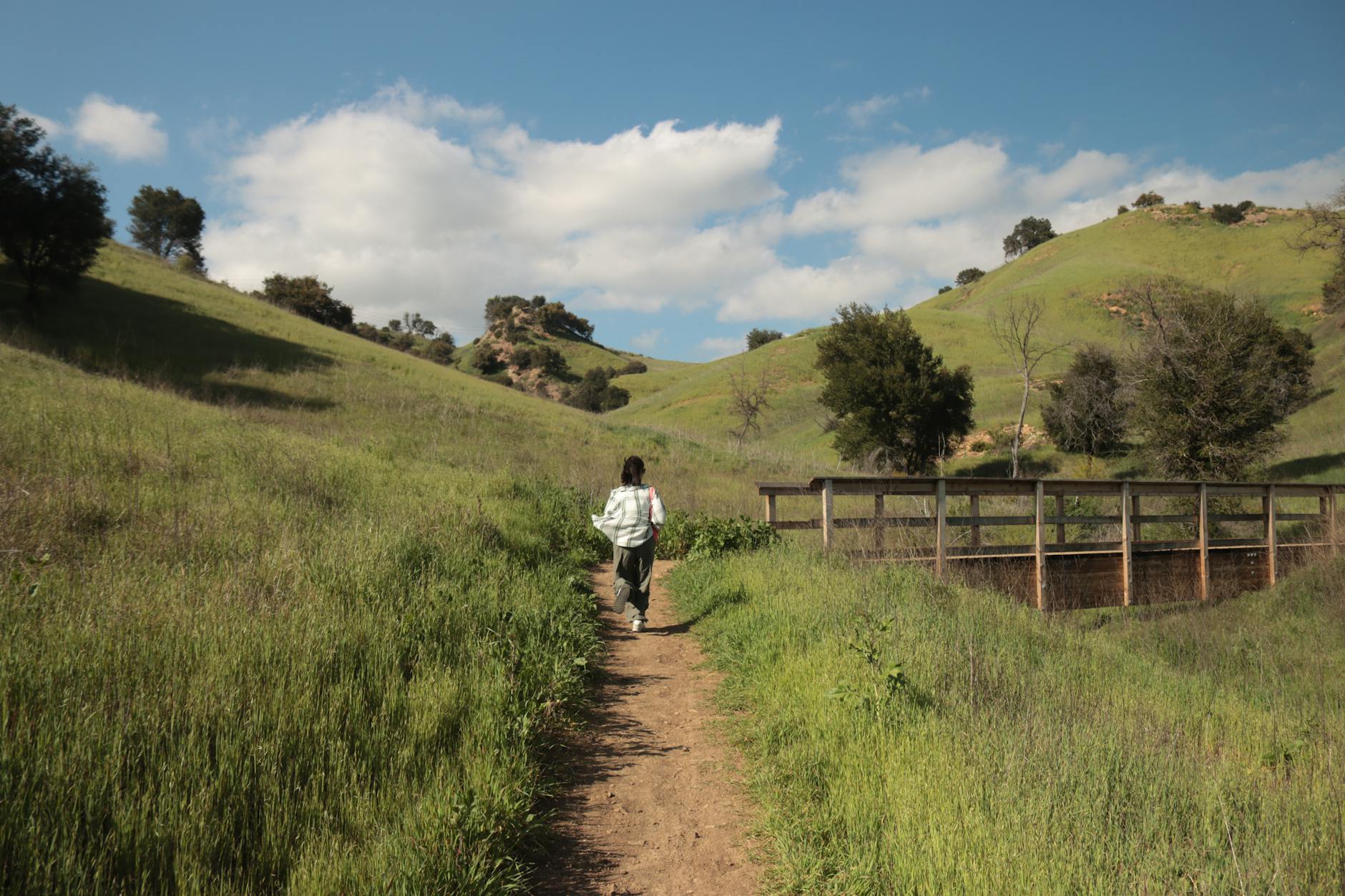
Image: person practicing overstimulation recovery by leaving their phone behind and walking in morning sun through a quiet park
Table of Contents
Key Takeaways
- Overstimulation recovery reduces high-intensity inputs and rebuilds low-noise habits to restore focus and calm.
- Monotasking and fewer alerts cut the “switching tax,” improving depth and productivity.
- Short detox windows from high-reward apps can reset dopamine expectations and reduce cravings.
- Sleep, daylight, movement, and real connection regulate the nervous system and boost attention.
- Start small, keep it repeatable, and design your environment so the calm choice is the easy choice.
What is Overstimulation Recovery?
Overstimulation recovery is a structured period — from a weekend to a few weeks — where you intentionally reduce high-intensity, high-novelty stimulation (social feeds, notifications, fast-paced videos, multitasking) and restore low-noise habits (sleep, sunlight, movement, deep work, real-world connection). Think of it as taking your attention off junk food and feeding your brain what it actually needs. The comparison is imperfect, yes, but useful.
It blends:
- Digital boundaries: time-limited social media, no push alerts, screen-free mornings/evenings
- Dopamine detox experiments: short windows without high-reward apps to reset compulsive loops
- Nervous system downshifts: breath, walking, light exposure, and boredom on purpose
- Focus training: monotasking blocks, analog tools, and scheduled rest
You might be feeling foggy, irritable, or weirdly wired and tired. That’s not a character flaw. It’s your brain and body asking for overstimulation recovery — a reset I’d argue more people need then they realize.
Why Overstimulation Recovery Works (The Science)
-
It calms the stress response
Chronic high input keeps the sympathetic nervous system in a low-grade “go” mode. As the National Institute of Mental Health notes, long-term stress can harm health, cognition, and mood. Overstimulation recovery removes stressors (late-night light, incessant alerts, nonstop context switching) so the parasympathetic “rest and digest” system can reassert itself. The result is unglamorous but profound: steadier energy, clearer thinking. -
It stops the multitasking tax
You’re not actually doing five things at once; you’re switching rapidly and paying a toll each time. The American Psychological Association reports that switching tasks may cost up to 40 percent of productivity. In interviews, attention researchers have told me the invisible loss is not just time — it’s depth. Overstimulation recovery hard-codes monotasking, giving your prefrontal cortex the uninterrupted stretch it needs to knit thoughts back together. -
It resets reward expectations
High-novelty feeds and fast rewards teach your brain to expect “more, now.” Harvard’s Science in the News has explained how dopamine signaling reinforces cue–reward loops that keep us checking our phones. Reduce intensity and novelty for a stretch and baseline dopamine tone can settle. Ordinary rewards — a walk, a chapter, a conversation — become pleasurable again. I’ve felt this reset personally after 72 hours off short-form video; the itch quieted. -
It repairs sleep, which repairs everything else
Light at night keeps the brain “on” and pushes melatonin later. A Harvard Health analysis found blue light, in lab settings, suppressed melatonin for about twice as long as green light of similar brightness. Meanwhile, the CDC has estimated roughly a third of adults fall short on sleep. Protecting sleep during overstimulation recovery pays dividends across attention, impulse control, metabolic health — the whole list we pretend we can out-willpower. We can’t. -
It replaces frantic inputs with regulating inputs
Sunlight, movement, and face-to-face connection serve as signal stabilizers. The World Health Organization recommends 150–300 minutes of moderate activity weekly for adults, linked to better health and lower anxiety risk. Even short outdoor walks can downshift arousal and re-anchor circadian timing. Back in 2021, clinicians repeatedly told me that “daylight before screens” was the single change most patients actually kept.
Three Expert Perspectives, in Their Words
“Switching between tasks may cause a 40 percent loss in productivity.”
— American Psychological Association
“Long-term stress can harm your health.”
— National Institute of Mental Health
“Blue light [at night] suppressed melatonin for about twice as long [as green light].”
— Harvard Health Publishing
Real Lives, Real Resets
-
Maya, 28 — After doomscrolling past midnight during a divorce, she tried a screen-free hour after dinner, a 20-minute morning walk, and three daily focus blocks. Two weeks in: “I’m not dreading my day. I can read again.” Her wins weren’t heroic; they were consistent. In my experience, consistency beats novelty every time.
-
Devon, 31 — Loved gaming, hated the 2 a.m. hangover. He moved games to weekends, set a 10 p.m. device curfew, and used paper for task lists. After a month, he wasn’t perfect, but he stopped “needing” a hit at midnight. Progress looks quiet from the outside, but it feels like getting your life back.
How to Practice Overstimulation Recovery (A Real Plan)
First, a mindset shift: you’re not giving things up; you’re building a nervous system that doesn’t need rescuing every hour. That frame matters more than any single app setting.
1) Reset your inputs
Why it works: Fewer cues, fewer cravings. Remove the triggers that spike reward circuits and your baseline can settle — and with it, the urge to check.
- Turn off all nonhuman notifications. Keep calls/texts; silence badges and banners.
- Move social apps off your home screen; set 15–30 minute total daily limits.
- Try a 24–72 hour dopamine detox from your top 1–2 “fast reward” apps.
- Start and end your day screen-free for 30–60 minutes.
- Set your phone to grayscale; make instant hits less appealing.
- Use website/app blockers during work sprints. A bit of friction helps.
2) Sleep like it matters
Why it works: Sleep restores attention networks and impulse control. Without it, everything feels harder. The CDC recommends at least 7 hours for adults. Skimp here and your plan wobbles elsewhere.
- Digital sunset: no bright screens 60–90 minutes before bed. If you must, use blue-light filters.
- Keep a consistent sleep/wake time, even on weekends.
- Make your bedroom cool, dark, and boring.
- Anchor mornings with light: open blinds immediately, or step outside for 5–10 minutes.
3) Move and go outside
Why it works: Movement burns stress hormones and boosts mood. WHO guidelines land at 150–300 minutes of moderate activity weekly. Outside is better — light plus motion.
- A 20-minute brisk walk most days — ideally in daylight.
- Micro-movement: five squats or a hallway walk between meetings.
- Commute swap: one errand a day on foot or bike.
4) Monotask and defend your focus
Why it works: You avoid the 40% switching tax the APA warns about. Depth returns when you stop fragmenting attention — and depth is inherently rewarding.
- Three daily focus blocks (25–50 minutes) with phone in another room. Use paper to capture stray thoughts.
- One inbox hour. Everything else is off.
- Batch similar tasks to reduce context switching.
5) Train the parasympathetic
Why it works: Slow breathing and mindfulness increase vagal tone and reduce stress arousal. Evidence suggests these practices support anxiety reduction and attention. In plain terms: your body remembers calm.
- Two minutes of slow breathing: in through the nose, longer out-breaths.
- 5–10 minutes of mindfulness or prayer after waking or at lunch.
- Body downshifts: progressive muscle relaxation in bed.
6) Reclaim real connection
Why it works: Offline relationships regulate stress better than likes. The long-running Harvard Study of Adult Development consistently links quality social ties with well-being. My take: joy travels better across a table than across a timeline.
- One daily human moment: a walk with a friend, a call, a meal without phones.
- Make “shared boredom”: library dates, quiet co-working, cooking without TV.
7) Design your environment to win
Why it works: Cues drive behaviors. Change the cue, change the behavior — a principle as old as habit science.
- Put the charger outside your bedroom.
- Keep a paperback on the coffee table, not the remote.
- Preload your day: clothes, breakfast, top three tasks on paper.
A 14-Day Overstimulation Recovery Template
Days 1–3: Stabilize inputs
- Turn off nonessential notifications.
- Remove social apps from home screen; set 30-minute total limit.
- Screen-free first/last 30 minutes daily.
- Three 25-minute monotask blocks per day.
Days 4–7: Restore energy
- 20 minutes of daylight walking daily.
- Digital sunset 60 minutes before bed; no phone in bedroom.
- Add 5–10 minutes mindfulness after waking.
Days 8–10: Expand calm
- One 24-hour dopamine detox from your most triggering app.
- Batch email and messaging to two windows.
- Introduce a 50-minute deep work block once per day.
Days 11–14: Lock in identity
- One screen-free evening activity (board game, bath, long call).
- A nature session: park sit, trail walk, or backyard sun.
- Review: keep what worked; schedule your next detox day.
Troubleshooting Overstimulation Recovery
-
“My job requires me to be online constantly.”
Create guardrails inside constraints. Batch messages hourly, use VIP filters, and put your phone out of reach during 25-minute sprints. In my newsroom years, this was the only way I hit deadlines. You’ll be more responsive in your on-windows and calmer in your off-windows. -
“I try to stop scrolling at night, then I can’t sleep.”
That’s withdrawal-like arousal. Replace the habit, don’t leave a void. Use a book, gentle stretching, or an audio story. Remember, blue light delays melatonin — your brain needs darkness and boredom to drift. It feels odd for a few nights; then your circadian system catches you. -
“My anxiety spikes when it’s quiet.”
You’re meeting what you’ve been numbing. NIMH reminds us stress is a normal response to demands; the goal isn’t zero stress but healthy regulation. Start with shorter quiet windows and layer gentle movement or a comforting ritual. A warm mug, a lamp, a page of notes — anchors matter. -
“I sabotage after three good days.”
Normalize it. The APA’s 2023 Stress in America report found that 27% of adults feel so stressed they can’t function most days. High stress means lower willpower. Shrink the plan, keep the core: sleep window, daylight walk, one focus block. Momentum > intensity.
Why This Isn’t Just a “Digital Detox”
A weekend offline can help, but overstimulation recovery is bigger. It’s not about perfection; it’s about state management. You’re lowering total input load, rebuilding the foundations (sleep, sun, movement), and retraining attention through monotasking. Yes, it includes dopamine detox tactics to weaken compulsive app loops. It also gives your nervous system the steady ingredients it needs to prefer calm over chaos. If there’s a north star here, it’s capacity, not austerity.
What Success Looks Like
- You reach for your phone less without forcing it.
- Reading a few pages feels good again.
- Your sleep window is steady; mornings are less groggy.
- You can hold a 25–50 minute focus block most days.
- Cravings for “one more video” fade faster.
You don’t need more discipline; you need fewer triggers and better energy. Overstimulation recovery delivers both. It’s the rare plan that adds by subtracting.
A Final Word You Might Need to Hear
You’re not broken. You’re overstimulated. The brain is plastic — it adapts to inputs. Change the inputs, and over the next two weeks you’ll feel the shift from scattered to steady. Use digital detox and dopamine detox as tools, not identities. Keep your plan simple, friction-low, and repeatable. The calmer, clearer life you want is built one quiet choice at a time. And if you slip — everyone does — begin again that same day.
Short Summary and Next Step
Overstimulation recovery reduces high-noise inputs, repairs sleep, and retrains focus so your brain stops craving constant hits and starts loving calm, deep work again. Paired with movement, sunlight, mindfulness, and human connection, it’s a reset you can feel in days. Start small. Keep it repeatable. Then build.
Need structure and streaks to make this real? Try Dopy — Dopamine Detox App (Pomodoro timer, habit tracking, and smart reminders) to lock in your daily resets: https://apps.apple.com/app/dopy-dopamine-detox-app/id6756252987
The Bottom Line
When you lower input noise and protect sleep, light, movement, and monotasking, your nervous system rebalances — cravings ease, focus returns, and calm becomes your default. Start with one or two changes today, keep them small and sustainable, and momentum will do the rest.
References
- Harvard Science in the News (Harvard University)
- American Psychological Association: Multitasking
- National Institute of Mental Health: 5 Things You Should Know About Stress
- Centers for Disease Control and Prevention: Not Enough Sleep
- Centers for Disease Control and Prevention: How Much Sleep Do I Need?
- Harvard Health Publishing: Blue light has a dark side
- World Health Organization: Physical activity
- National Center for Complementary and Integrative Health (NIH): Meditation and Mindfulness
- Harvard Gazette: Harvard Study of Adult Development
- American Psychological Association: Stress in America 2023