



Table of Contents
- Understanding Screen Addiction
- The Science Behind Dopamine and Screens
- Strategies to Reset Your Mind
- Creating a Screen-Free Environment
- Embrace Physical Activities
- Building Digital Wellness Habits
- Final Thoughts
Understanding Screen Addiction
Screen addiction—essentially being overly attached to digital gadgets—interferes with normal day-to-day activities and affects mental well-being. At the core of this issue is the brain’s dopamine system. It’s this tiny neurotransmitter that gets a kick—a “happy feeling”—when we interact with screens. Back in 2021, a study published in the Journal of Behavioral Addictions highlighted how too much screen time tweaks the availability of dopamine receptors, surprisingly similar to how substance dependencies manifest [1].
The Science Behind Dopamine and Screens
Why is dopamine such a big deal here? It’s significant due to its role in rewarding behaviors. Activities tied to screens, like scrolling social media or indulging in endless gaming sessions, hit us with prompt gratification. A report from the American Journal of Preventive Medicine established a link between long hours on screens and upticks in mental health issues, including anxiety and depression [2]. If you’re seeking to refresh your mind and break free from screen addiction, recalibrating your dopamine responses is a crucial endeavor.
Strategies to Reset Your Mind
Digital Detox
Seeking reparation from screen addiction? A digital detox might just be your saving grace. The heart of it lies in markedly minimizing screen time, giving your mind some breathing room to rebalance its reward systems. Start by penciling in short, regular escapes from screens. According to an assessment by the Kaiser Family Foundation in 2019, incorporating a routine digital detox could significantly boost focus spans and lessen stress [3]. Isn’t that worth a try?
Mindfulness and Deep Focus
Why not turn to mindfulness to lighten your reliance on screens? Practices like meditation or deep-breathing exercises can bolster your concentration and mitigate the mental turmoil screens cause. Even Carnegie Mellon University witnessed that a mere 25 minutes of mindfulness meditation for three days straight remarkably cut down stress levels and upped participants’ focus [4].
Habit Stacking
Forge healthier habits as a substitute for screen time. How about swapping that habitual morning phone-checking with a chapter of a book or a stretch session? Crafting such habit stacks ensures healthier choices become second nature—decreasing your screen dependency effortlessly.
Creating a Screen-Free Environment
Designated Screen-Free Zones
Think of setting up areas in your living space where screens don’t belong. You could establish a snug reading nook or even a peaceful meditation corner. The lack of screens in specific spots aids in breaking addictive tendencies and spurs more productive behavior patterns.
Set Device-Free Times
Why not designate certain periods in your day when digital devices are off-limits? Such a strategy—simple yet potent—can help refresh your dopamine mechanisms and grant moments of peaceful reflection.
Embrace Physical Activities
Engaging in physical exertion leads to endorphin production—natural dopamine boosters. Activities ranging from brisk walking to an invigorating yoga session are worthwhile. The Anxiety and Depression Association of America found that physical activity alone can decrease addiction risks by lifting overall moods and easing cravings for screen use [5].
Building Digital Wellness Habits
Use Technology to Your Advantage
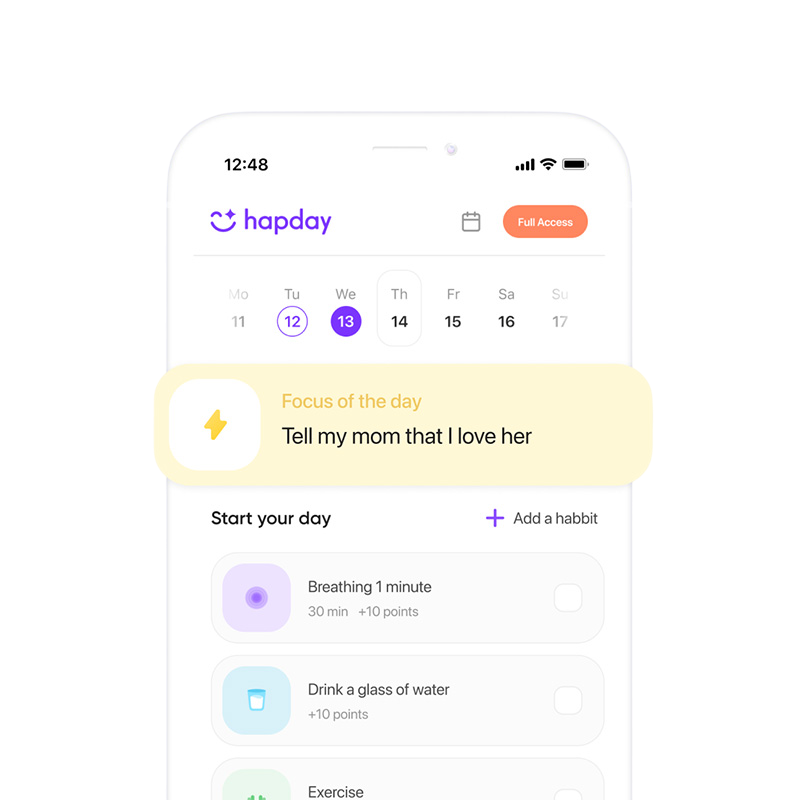
Utilize technology not as a foe but as a friend in your wellness journey. There are plenty of apps out there to help monitor your screen usage and prompt you to consciously change your patterns.
Prioritize In-Person Interactions
Engage in community activities or join social clubs—real-life human interaction can offer similar dopamine rewards without the negative impact of screens. Hasn’t it always been said connection heals? This can profoundly amplify your emotional well-being, drawing fulfillment from genuine relationships instead.
Final Thoughts
Breaking free from the shackles of screen addiction isn’t about casting technology aside entirely. It’s about renewing our relationship with it. Understand the dopamine-fueled nature behind screen dependency, and aid yourself with evidence-based strategies, fostering a more serene, focused existence. Remember, reshaping your digital engagement is personal, demanding steady effort and patience.
Take the plunge into these practices now and witness transformative changes in your attention span and mental tranquility. Your digital detox journey starts with a tiny step—commit to a screen-free hour today… and see, feel, the difference.